
Vineyard data from the field to the winery
Bring irrigation, weather and soil information into one operating view without confusing long-range sensing with visitor Wi-Fi.

Match the gateway to the sensor protocol
Keep field records during outages
Separate visitors from farm operations
How the solution connects
Follow the data from collection to the people and services that use it.
Read the connection map
- Field sensor collector → RUTM11 / TRB143 · Collection
- M-Bus meters · option → RUTM11 / TRB143 · Collection
- RUTM11 / TRB143 → Farm data platform · Protected transfer
- Farm data platform → Irrigation reporting · Workflow
- Farm data platform → Weather + soil trends · Workflow
- Farm data platform → Farm operations · Workflow
The challenge on the ground
A vineyard spans different terrain and power conditions, while sensors may use LoRaWAN, M-Bus, serial or proprietary radios. An LTE router can provide the onward internet connection, but it does not automatically collect all those signals.
The design needs a clear handoff between sensing, local collection and reporting.
Inside the design
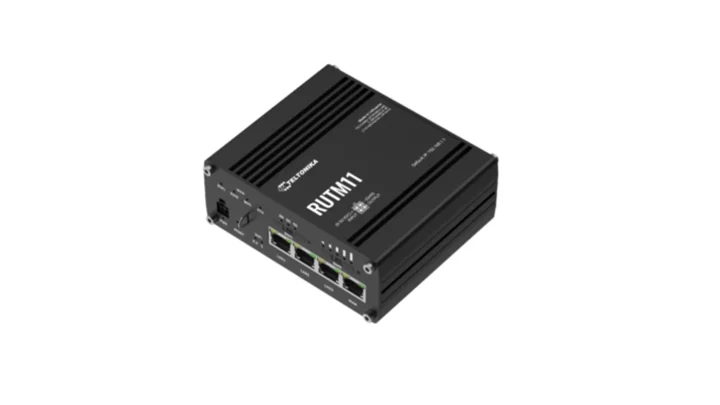
Use RUTM11 LTE for the farm’s IP backhaul. Existing wireless sensors connect through their compatible collector. Use TRB143 only for an actual M-Bus meter group; it is an optional distinct collection path.
A managed access switch and CW9172I AP serve the indoor winery office. Keep visitor Wi-Fi separate from irrigation and production systems, and retain local irrigation schedules when internet reporting is unavailable.
Operating it day to day
Place antennas and field collectors according to terrain and vegetation, including seasonal growth. Give battery-powered sensors a maintenance schedule and identify failed sensors separately from gateway outages.
Collect time-stamped data locally, then reconcile delayed records when connectivity returns. Protect outdoor power and cable routes and document who may change irrigation settings.
What to test before handover
- Test the furthest field sensor under representative foliage conditions.
- Disconnect the uplink and verify local recording and irrigation behaviour.
- Check visitor isolation from farm devices.
- Trigger a sensor-health alarm and confirm ownership.
Technical references
The bill of materials
One vineyard with existing field sensors and a winery office. The sensor radio network is designed separately from the IP backhaul. Quantities below describe the example; your proposal confirms the final equipment and services.
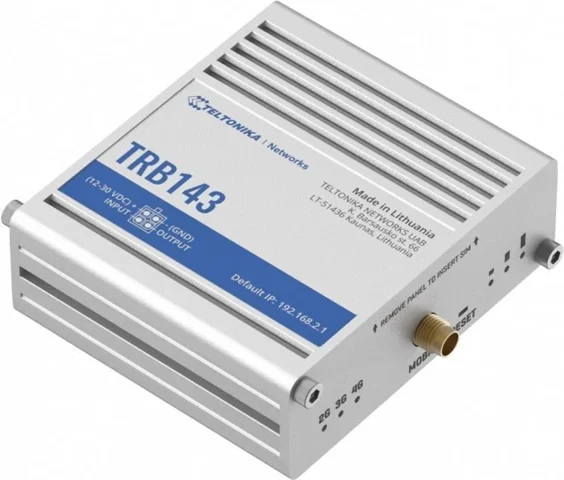
Teltonika TRB143 M-Bus gateway
TRB143000000M-Bus meter collection
Optional — Only for M-Bus devices; not a LoRaWAN or RS-485 collector.
View product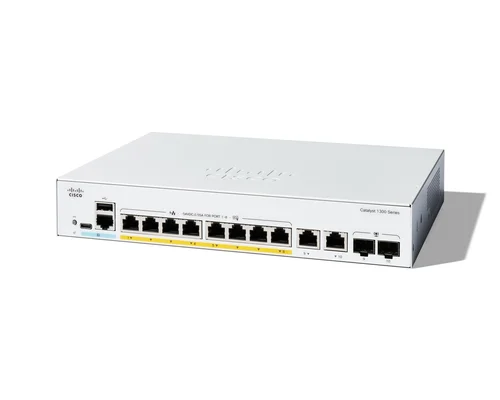
Complete the installation
The equipment above is one part of the project. Include these items in the final scope.
- Protocol-compatible field sensors and collectors
- Solar/DC power where needed
- Carrier and farm-platform services
- Outdoor enclosures and antenna installation
Questions before you specify
Will the router collect LoRaWAN sensors?
Not by itself. Use a compatible LoRaWAN gateway and network service, then provide its IP backhaul through the router.
Let’s design it for your site.
Send us the details below. We can turn the reference architecture into a scoped design, equipment schedule and quotation.
Start your projectBring these to the first conversation
- 01Sensor models and protocols
- 02Field maps, terrain and power
- 03Irrigation controller dependencies
- 04Visitor Wi-Fi and data-retention scope