
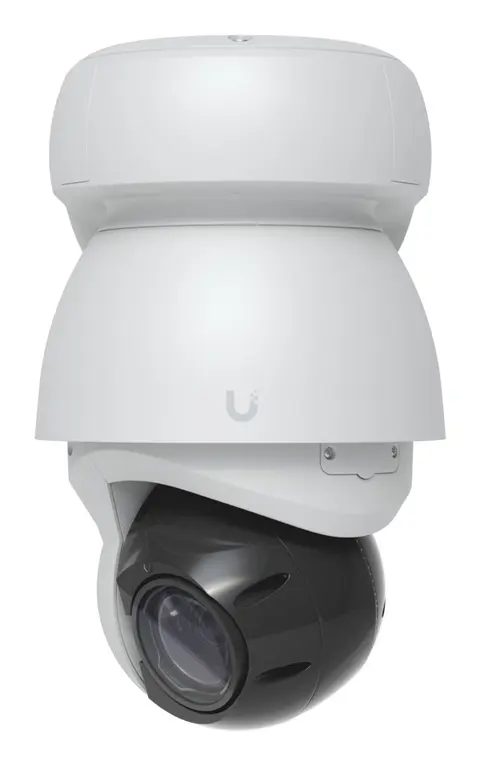
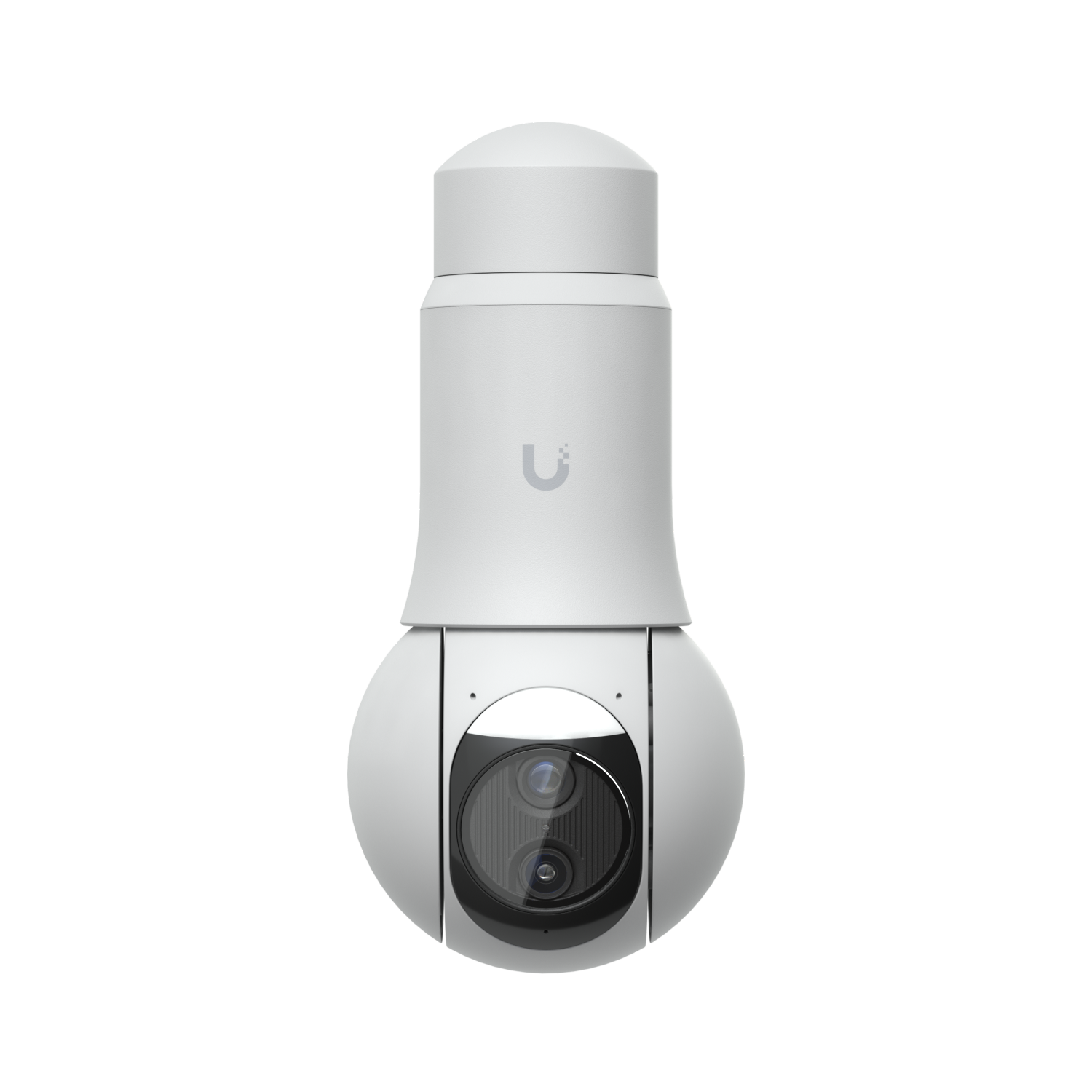
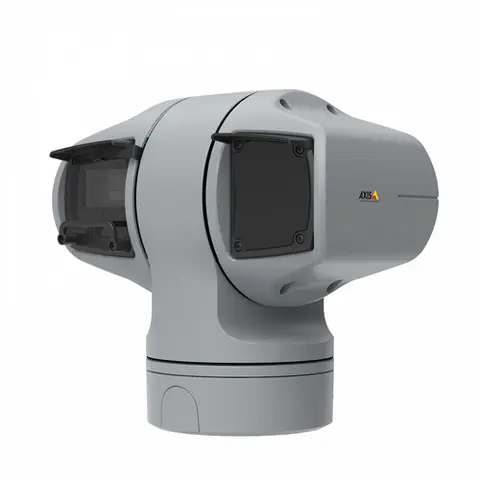
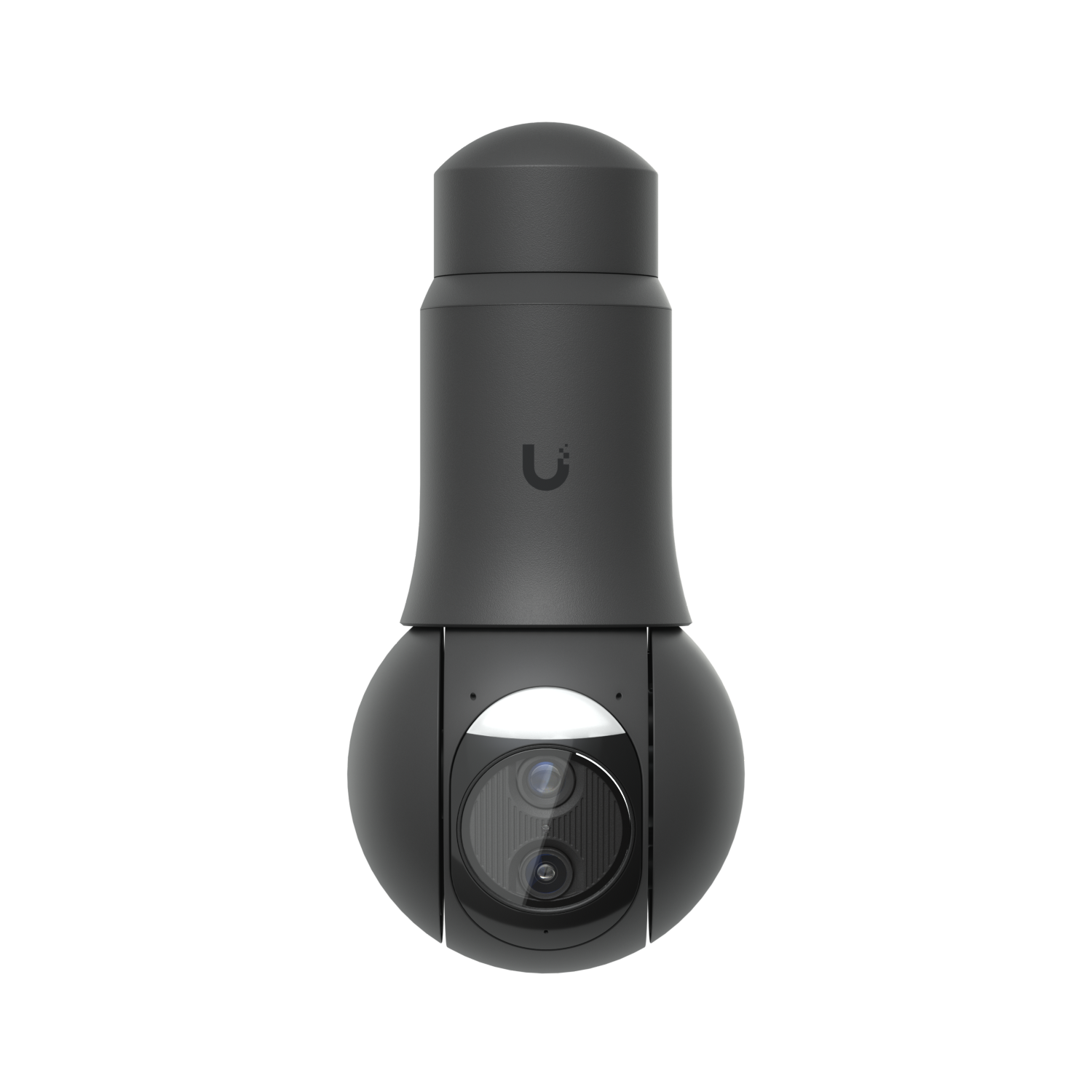
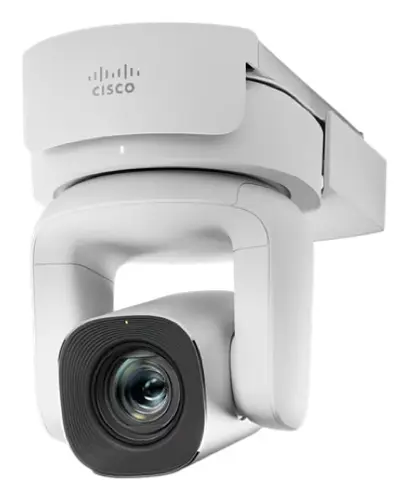
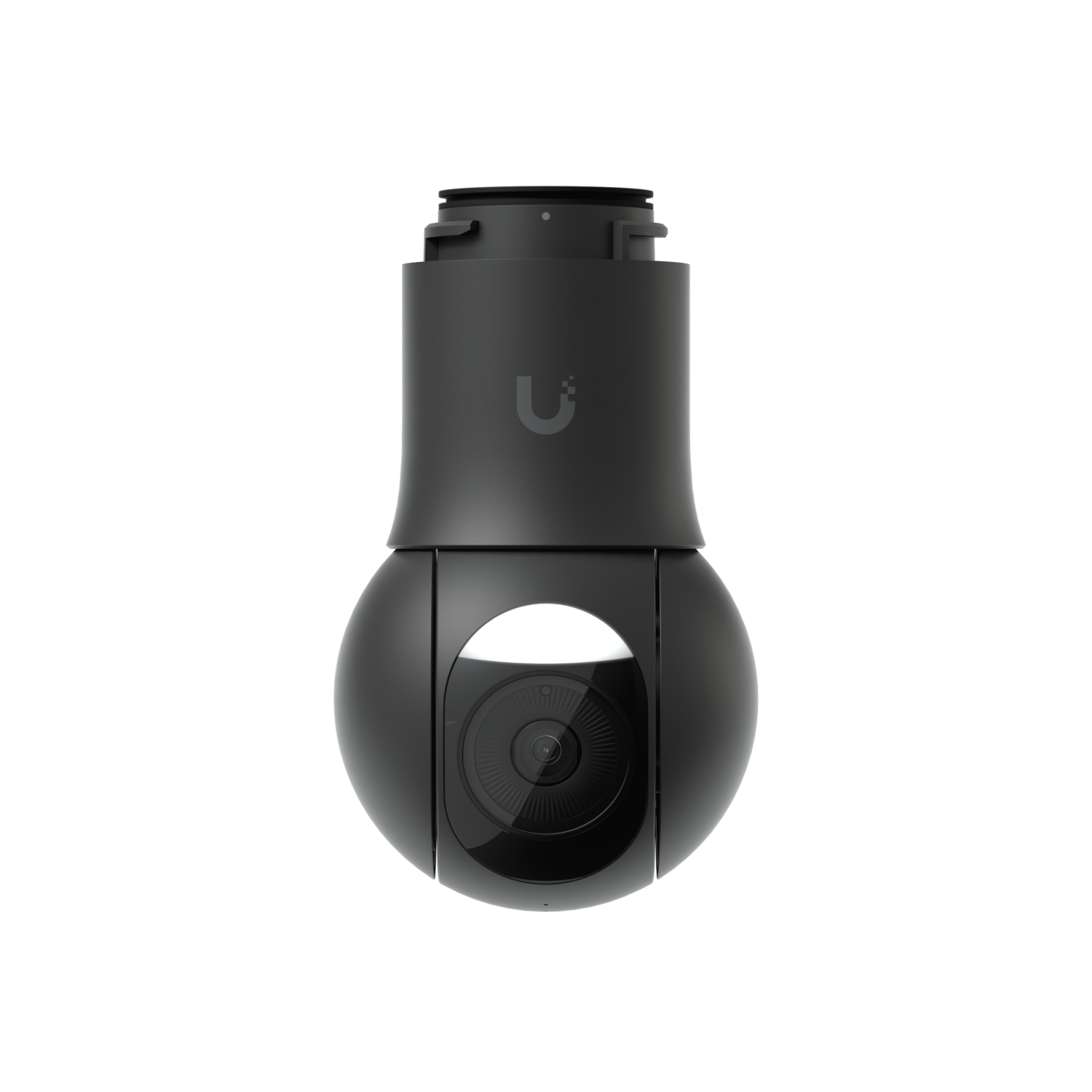
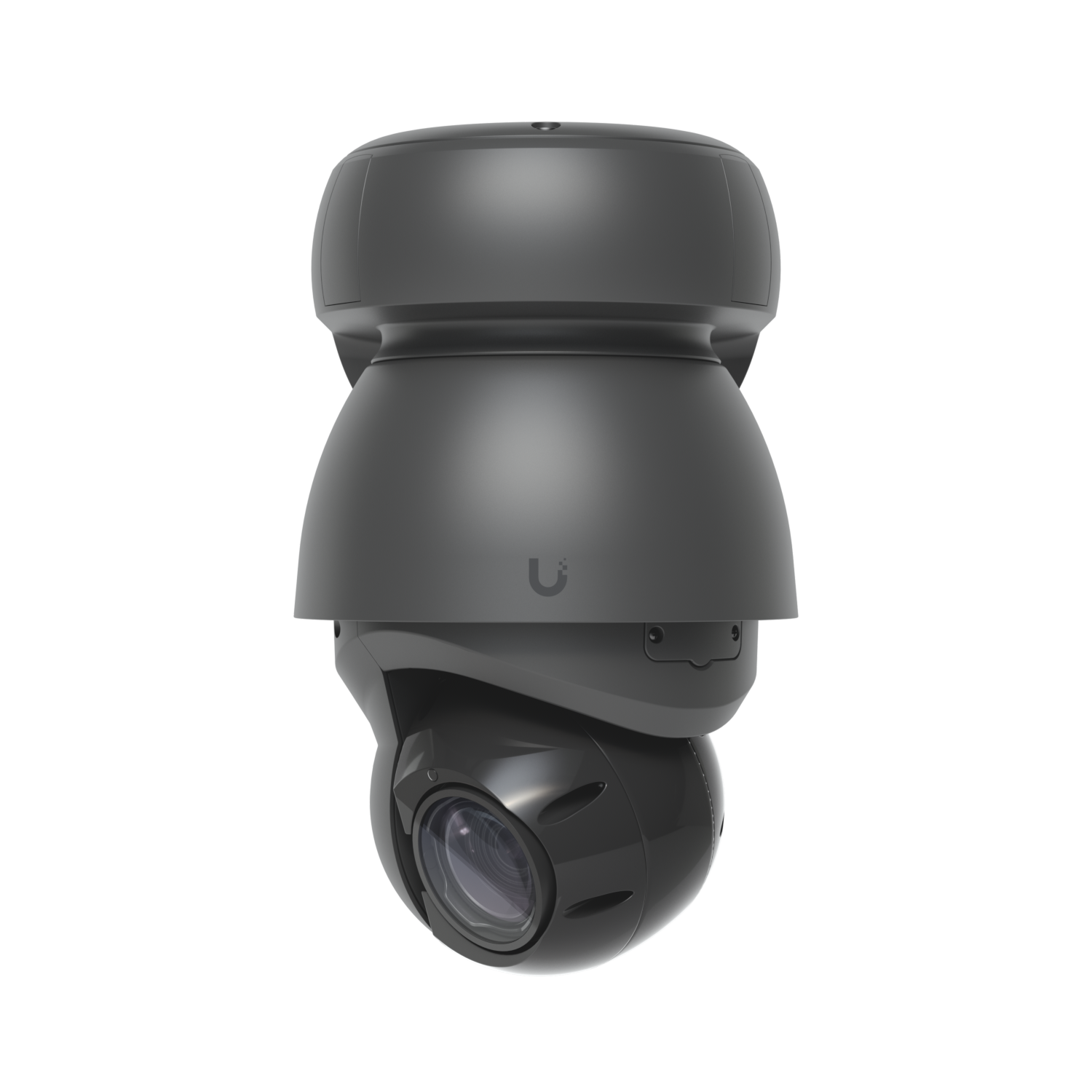
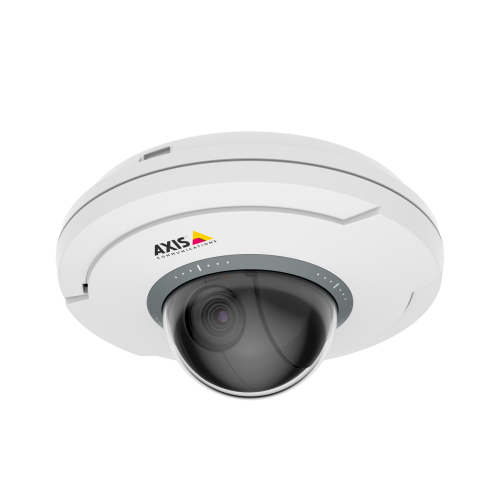
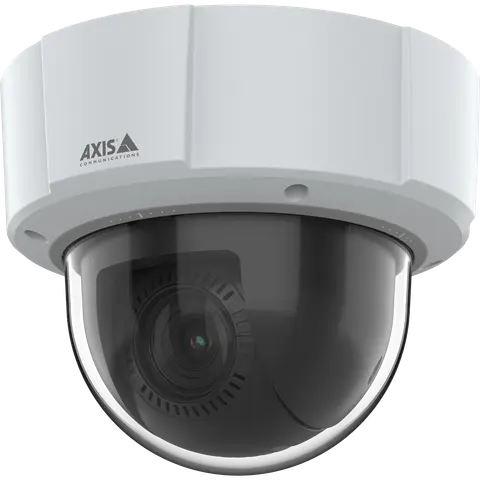
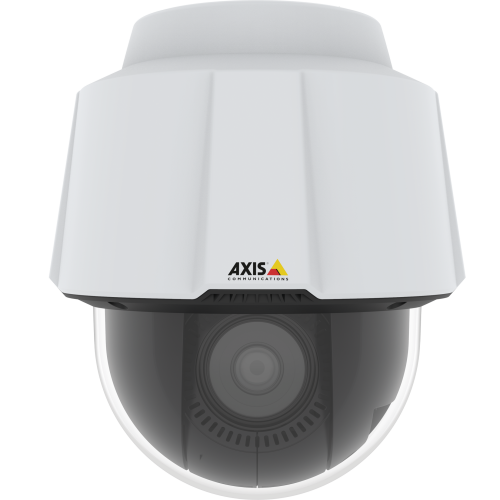
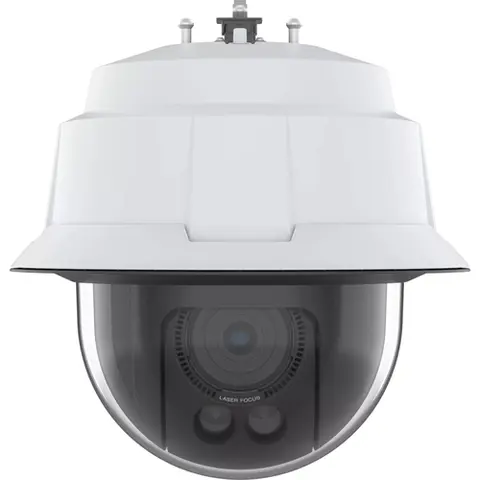
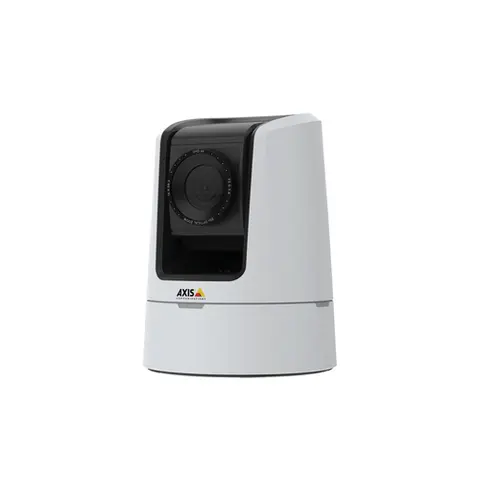
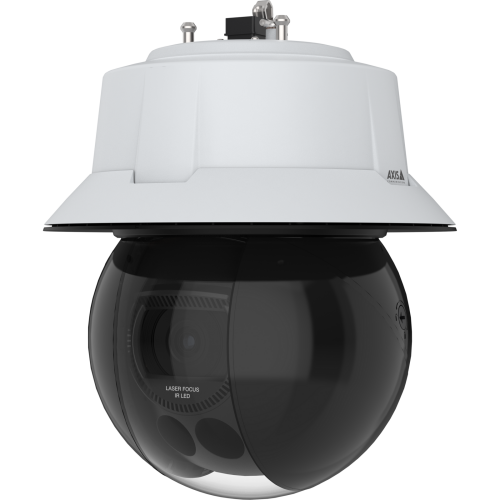
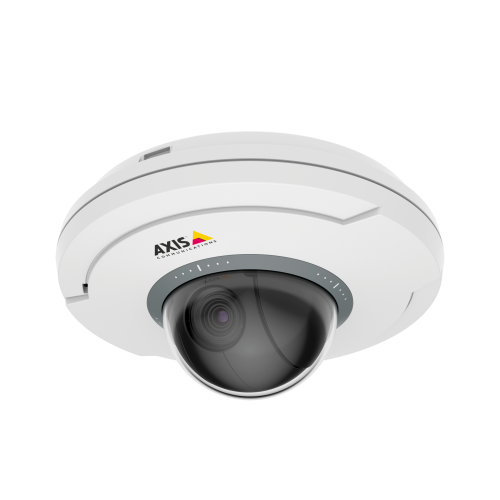
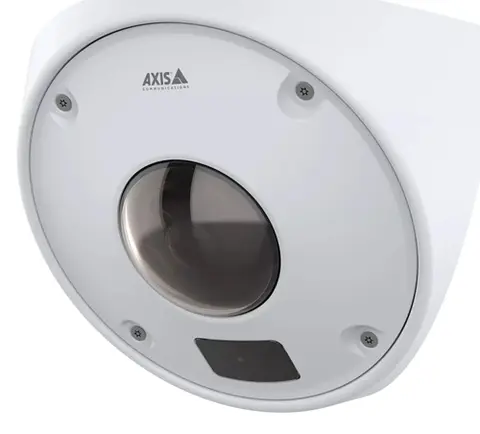
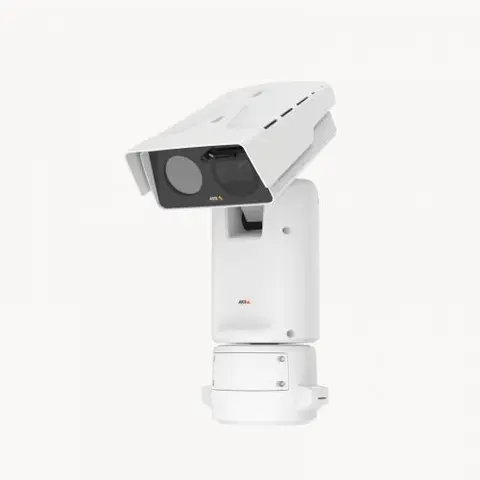
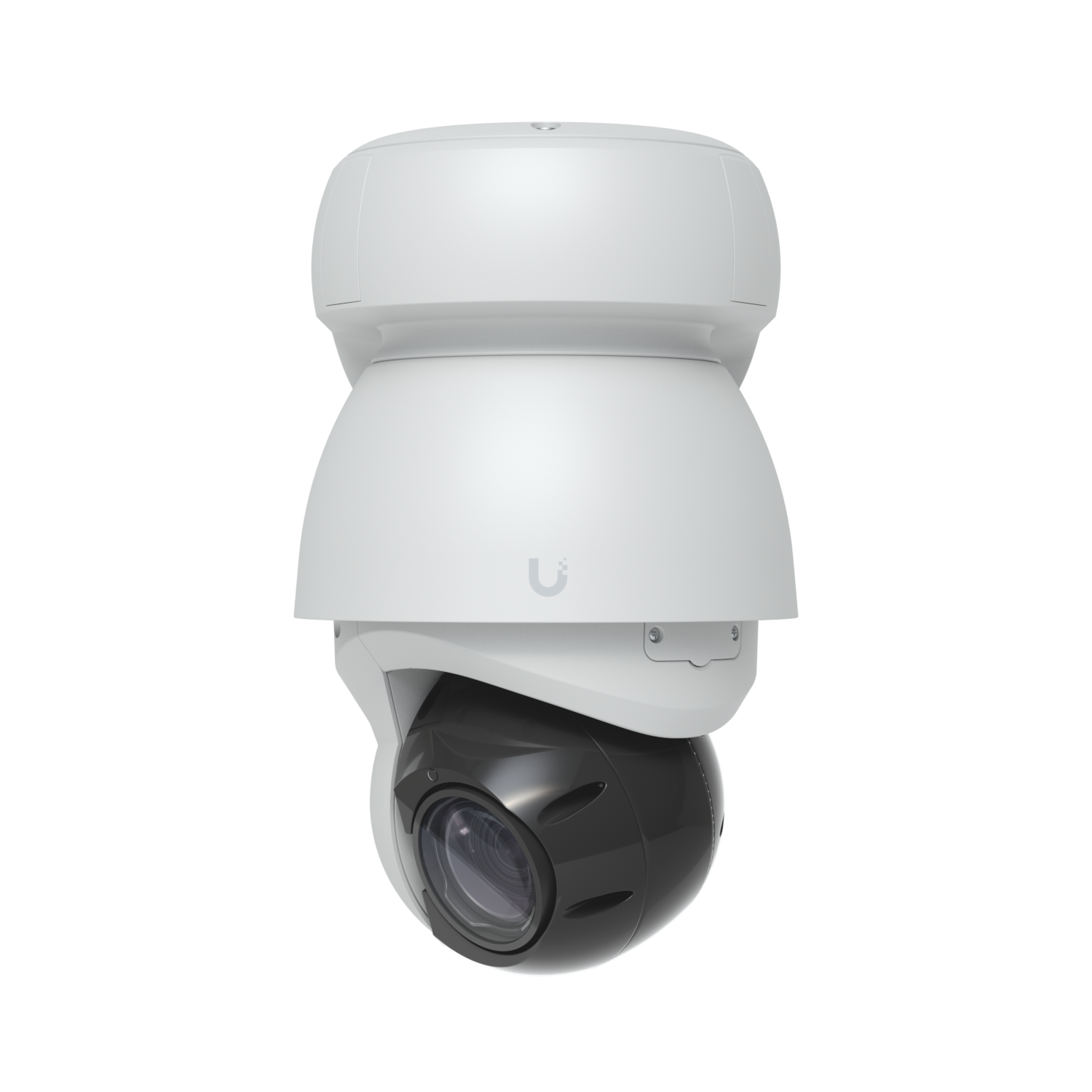
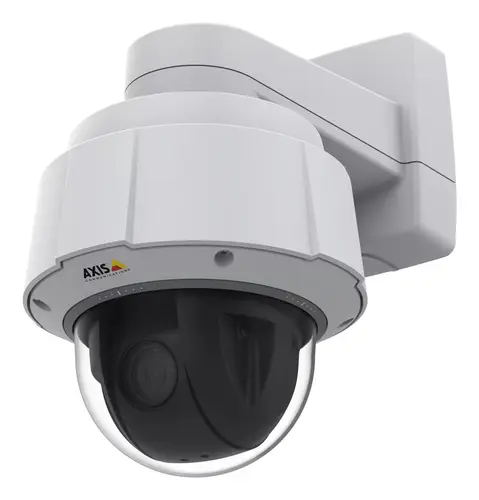
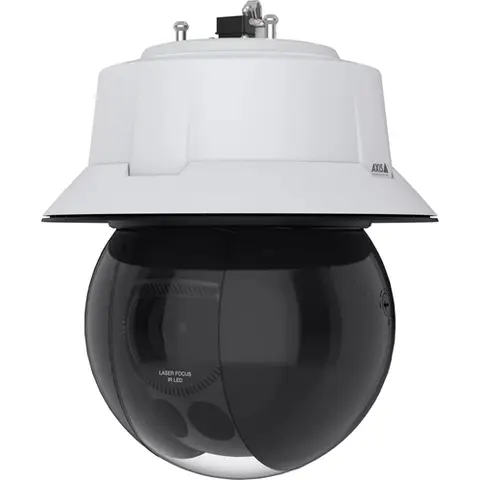
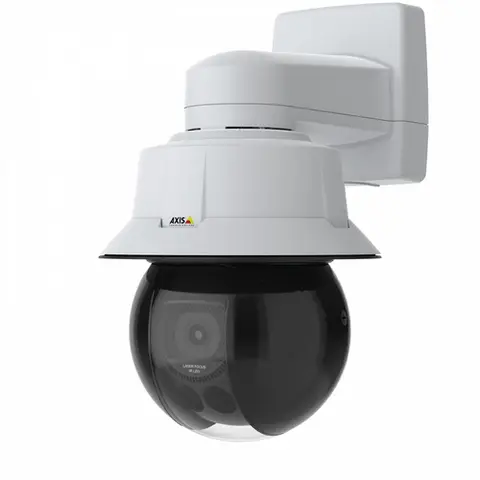
PTZ cameras

70 products listed

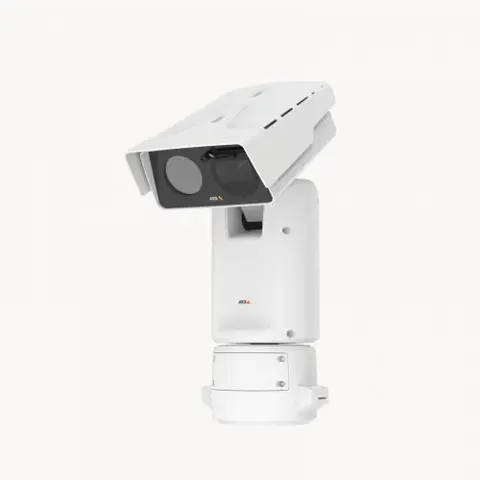
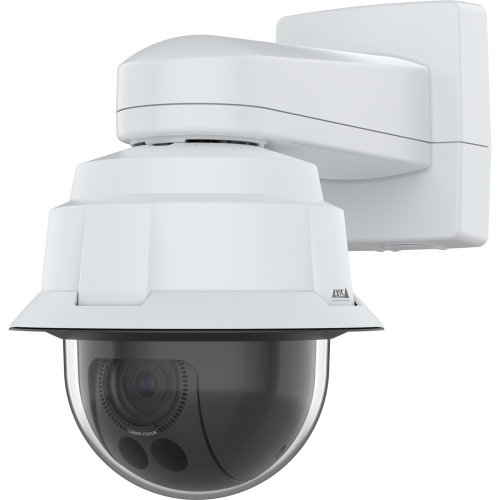
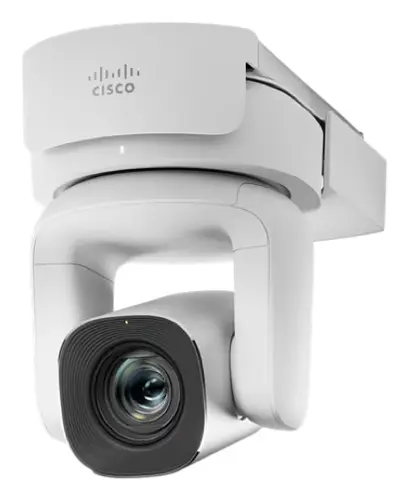
A PTZ camera trades fixed, always-recorded coverage for one movable high-zoom view. That is the right trade in a car park, a quay, a yard or a large retail floor where an operator or an analytic rule decides where to look — and the wrong trade where the point is to have every entrance recorded all of the time.

The practical rule on most sites: fixed cameras cover what must always be recorded, and one PTZ covers the area someone needs to interrogate live.

PTZ cameras in stock and on order

Browse the full Security & Surveillance category

How to choose ptz cameras

Optical zoom is the specification that matters

Digital zoom on a PTZ is a crop, not detail. Quote optical zoom range and the sensor size together, then check the pixels-on-target figure at the far end of the area you want to identify faces or plates in.

Presets, tours and auto-tracking

A PTZ that nobody drives spends most of its life pointed at nothing useful. Configure presets for the views that matter, a tour if the site is unmanned, and auto-tracking only where the scene is calm enough for it to be a help rather than a camera that follows every passing car.

Power and mounting

PTZ units draw substantially more than a fixed camera — motors, heaters and IR all run from the same port — so most need 802.3at and larger models need 802.3bt. Outdoor mounting also needs a rigid bracket: a PTZ on a flexible pole magnifies vibration at full zoom until the image is unusable.

PTZ cameras — frequently asked questions

Do PTZ cameras record while they move?
Yes, they record continuously, but only what they are pointed at. That is the core limitation: while a PTZ is zoomed into one incident, everything outside that view is unrecorded unless a fixed camera also covers it.
What PoE standard does a PTZ camera need?
Most need 802.3at (PoE+, 30 W) and larger outdoor units with heaters need 802.3bt (PoE++, 60 W or more). Check the datasheet before finalising the switch's power budget.