The licensing model is the whole decision
Every Meraki device requires an active licence to retain full functionality. Miss a renewal and, after a grace period, devices begin to degrade — some models stop passing traffic entirely. This is by design: it funds Meraki's cloud infrastructure and guarantees customers stay on current firmware and dashboard features. For MSPs who bill clients an ongoing managed-service fee anyway, bundling the Meraki licence into that fee is a clean, predictable model.
UniFi inverts this. Buy the hardware once, and it keeps working — self-hosted or via the free UniFi Cloud console — with no expiry. The trade-off is that Ubiquiti doesn't guarantee the same cadence of dashboard feature releases or formal support SLAs that a licence fee funds at Meraki.
Multi-tenant MSP management
This is Meraki's clearest structural advantage. The Meraki dashboard was built from day one around organisations and networks as first-class multi-tenant concepts — an MSP can manage 200 client networks from one login with granular role-based access per client. UniFi's multi-site management has improved substantially via UniFi Site Manager, but its multi-tenant permission model is still less mature for MSPs managing many unrelated client organisations at scale.
Feature parity is closing fast
As recently as 2022 the feature gap between Meraki and UniFi was wide. It has narrowed considerably: UniFi now supports L3 routing, multi-gig and PoE++ switching, adaptive Wi-Fi 6E/7 access points, and integrated camera/access control — largely matching Meraki's product breadth. The remaining gaps are in polish (802.1X workflow, advanced analytics) and in the guarantees a paid licence provides (SLA-backed support, guaranteed update cadence) rather than raw hardware capability.
Buying on FUSE
FUSE stocks both Cisco Meraki and Ubiquiti UniFi across EU warehouses in Malta, Poland, the Netherlands, and Germany, with trade pricing for MSPs and multi-site operators.
Frequently asked questions
What happens if a Meraki licence expires?
Meraki devices enter a grace period after licence expiry (typically 30 days), after which functionality degrades progressively — some device types (security appliances, switches) stop passing traffic, while others retain limited local functionality. This is a key operational risk to budget around for any Meraki deployment.
Is UniFi good enough for MSPs managing multiple clients?
Yes for small-to-mid MSPs — UniFi Site Manager supports managing multiple sites and organisations from one login. For MSPs managing dozens of unrelated client organisations with granular per-client role-based access requirements, Meraki's more mature multi-tenant dashboard is still the stronger fit.
Can I switch from Meraki to UniFi without replacing everything?
No — Meraki devices are cloud-licence-locked to Meraki's ecosystem and can't be repurposed on UniFi's controller, and vice versa. A migration means a full hardware refresh, so the decision is worth making carefully up front rather than switching later.
Does UniFi have anything comparable to Meraki's location analytics?
UniFi offers Wi-Fi-based client analytics and presence detection through the UniFi Network app, but it's less developed than Meraki's dedicated location analytics and Bluetooth beacon integration, which is purpose-built for retail footfall and dwell-time analysis.
Which is cheaper over 5 years?
For most SMB and hospitality deployments, UniFi is meaningfully cheaper over 5 years because there's no recurring licence — the entire cost is the one-time hardware purchase. Meraki's 5-year cost typically includes the hardware plus 5 years of per-device licensing, which can exceed the original hardware cost.
Where can I buy Meraki or UniFi equipment in the EU?
FUSE stocks Cisco Meraki and Ubiquiti UniFi across EU warehouses in Malta, Poland, the Netherlands, and Germany, with trade pricing for resellers, integrators, and MSPs.
Buy networking equipment on FUSE
Multi-warehouse EU stock from Malta, Poland, Netherlands, and Germany — with EU-resident technical support and trade pricing for resellers, integrators, and MSPs.
Shop the category
Live pricing and stock for the hardware compared above.
Buy the hardware in this article
Live FUSE pricing and stock for the hardware compared above.
 Cisco
CiscoCisco Catalyst C9300-48P-E network switch Managed L2/L3 Gigabit Ethernet (10/100/1000) Power over Ethernet (PoE) Grey
C9300-48P-E€7,875.07 TP-LINK
TP-LINK Omada 7 UR - BE5000 5-Stream Ceiling Mount Dual-Band Wi-Fi 7 Access Point | EAP727 | 2.4 GHz, 5 GHz | 802.11ax | 10/100/1000/2500 Mbit/s | Ethernet LAN (RJ-45) ports 1 | MU-MiMO No | PoE+
EAP727€180.75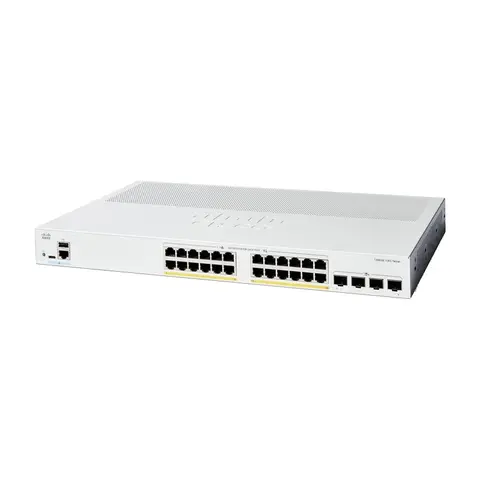 Cisco
CiscoCisco Catalyst C1300X-24P-4X network switch Managed L3 10G Ethernet (100/1000/10000) Power over Ethernet (PoE) Grey
C1300X-24P-4X€1,605.14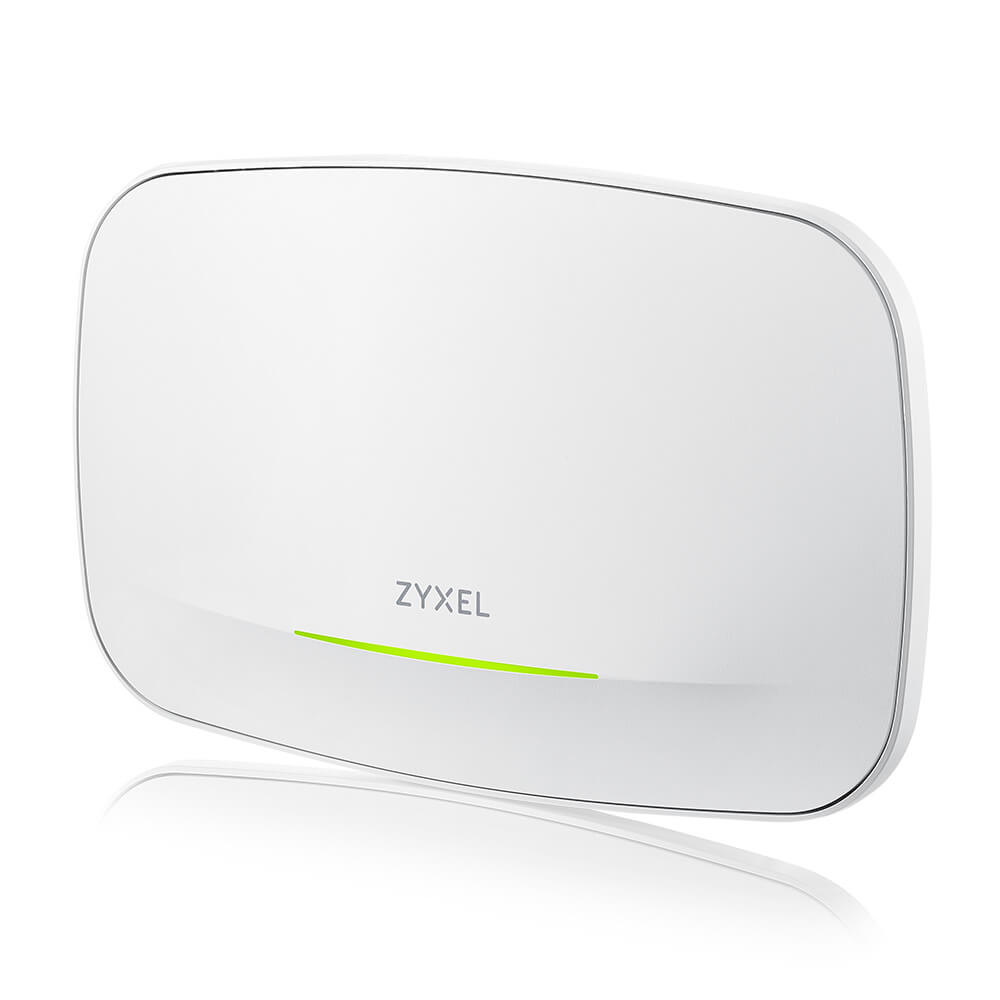 Zyxel
ZyxelZyxel Wireless AP WIFI7 • BE6500 • 4x4 • Indoor • 1x 2.5 GbE PoE At • WBE510D • StandA/NebulaFlex/Controller • Connect Protect
WBE510D-EU0201F€328.50 Grandstream Networks
Grandstream Networks GWN7813P network switch Managed L3 Gigabit Ethernet (10/100/1000) Power over Ethernet (PoE) Grey
GWN7813P€407.89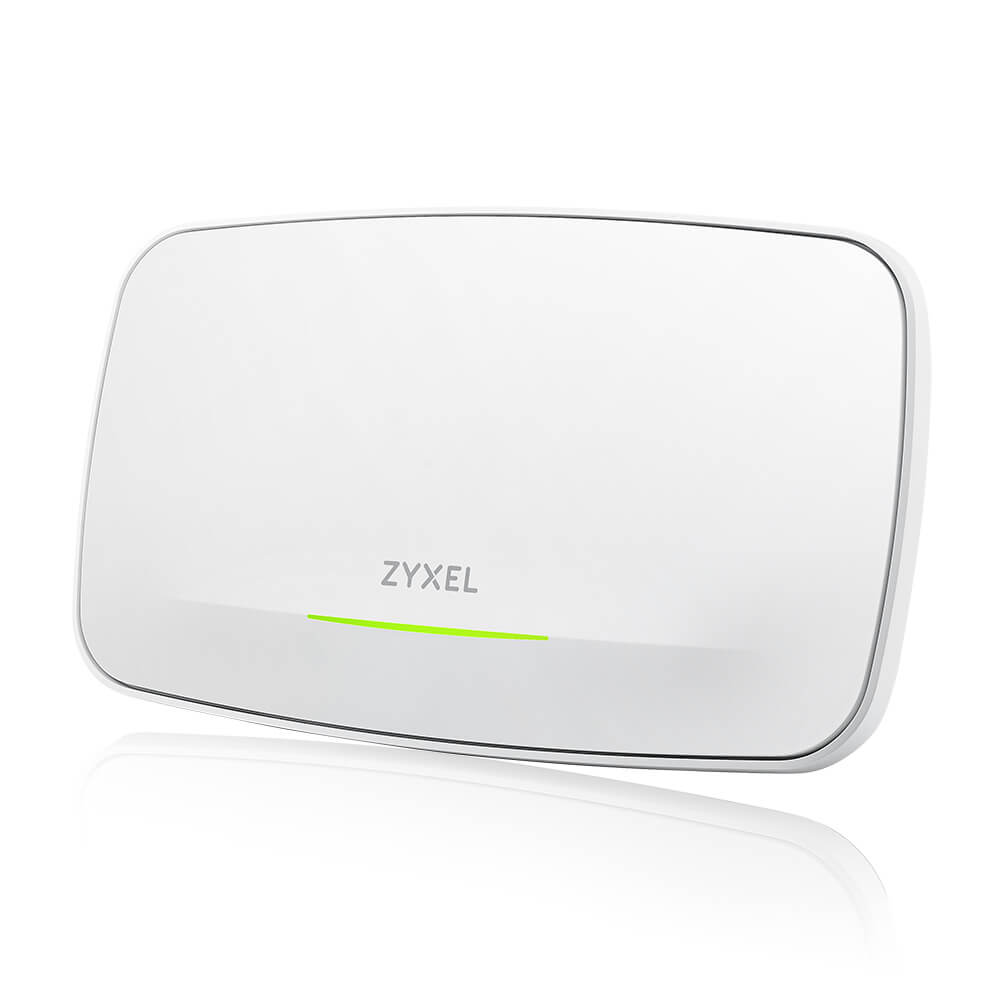 Unknown
Zyxel Wireless AP WIFI7 • BE22000 • 4x4 • Indoor • 1x 10 GbE 1x 1 GbE PoE Bt • WBE660S • NebulaFlex/Controller • Connect Protect
WBE660S-EU0201F€728.20