
Where Ubiquiti wins
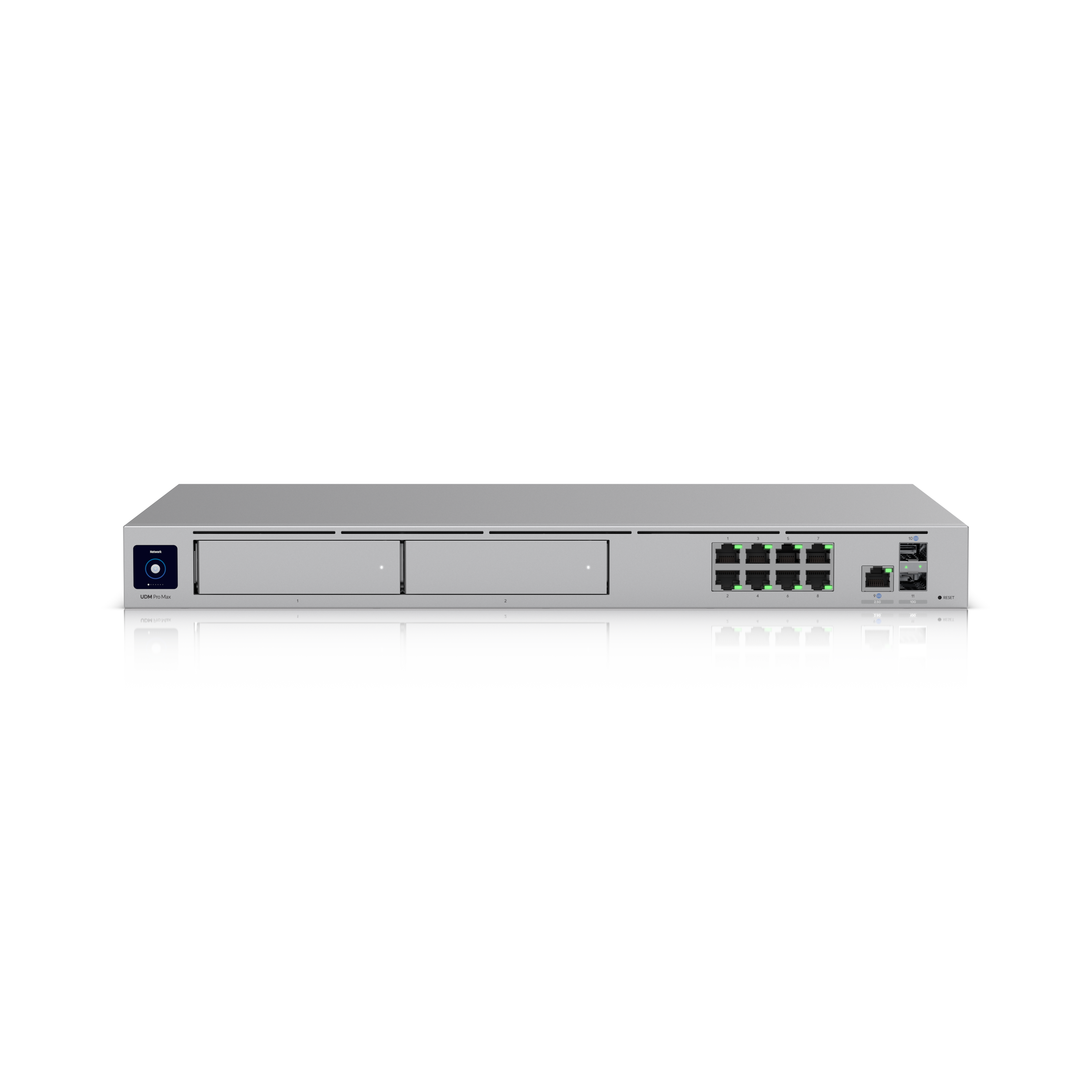
Ubiquiti's biggest advantage is total cost of ownership. There's no per-device annual licence — buy the hardware once, and the UniFi Network application (self-hosted or via UniFi Cloud) manages it for free indefinitely. For a 20-AP hotel or a 10-switch office, that alone can save thousands of euros a year compared to Meraki's licensing model.
The second advantage is ecosystem breadth at a single price point: switches, APs, gateways, cameras, access control, and VoIP phones all live in one app with one login. For an owner-operator who wants unified visibility without hiring a dedicated network engineer, that's a genuinely compelling proposition — and one Cisco doesn't match at a comparable price.
- No mandatory recurring licence fees
- Single app for network, cameras, access, and VoIP
- Rapid product cycle — new Wi-Fi standards typically land within 6–12 months of ratification
- Strong price-to-port ratio on switches, including PoE++ multi-gig models
Where Cisco wins
Cisco's advantage is depth and formal accountability. IOS-XE on Catalyst switches has three decades of feature maturity behind it — MPLS, granular QoS, StackWise stacking, and security features like TrustSec and MACsec that UniFi doesn't fully replicate. Meraki's cloud dashboard, meanwhile, is the easiest multi-site management plane on the market, with the trade-off of mandatory licensing and vendor lock-in.
For regulated industries — finance, healthcare, government-adjacent contracts — a formal Cisco TAC support contract with defined SLAs is often a procurement requirement, not a preference. Cisco's certified partner network (CCNA/CCNP-holding engineers) is also far larger than Ubiquiti's, which matters when you need local, contracted deployment expertise.
- IOS-XE feature depth: MPLS, granular QoS, advanced multicast
- TrustSec, MACsec, and deep ISE/NAC integration
- Formal TAC support with contractual SLAs
- Largest certified-engineer talent pool in enterprise networking
Cost breakdown: a realistic example
Take a 30-room boutique hotel needing 15 access points and a 24-port PoE core switch. A UniFi build (U7 Pro APs + a UniFi Enterprise 24 PoE switch) typically lands around €4,500–€6,000 in hardware with zero recurring fees. The equivalent Meraki build (MR-series APs + an MS390 switch) runs €7,000–€9,000 in hardware plus €1,500–€2,500 per year in mandatory licensing — meaning the Meraki deployment costs more every single year it's in service, not just up front.
That gap narrows for larger, multi-site deployments where Meraki's centralised dashboard reduces the IT headcount needed to manage dozens of sites — at which point the licence cost buys real operational savings, not just brand reassurance.
Buying on FUSE
FUSE stocks both Ubiquiti UniFi and Cisco Catalyst/Meraki across EU warehouses in Malta, Poland, the Netherlands, and Germany, with real-time multi-warehouse stock visibility and trade pricing for resellers, integrators, and MSPs.
Frequently asked questions
Is Ubiquiti as reliable as Cisco?
Modern UniFi hardware (Enterprise and Pro Max lines) is reliable enough for production SMB and hospitality use, with firmware maturity that has improved significantly since 2023. It does not yet match Cisco's decades of enterprise-grade field testing, and Ubiquiti has no formal SLA-backed support contract equivalent to Cisco TAC — support runs through community forums and tiered paid support.
Can I mix Ubiquiti and Cisco in the same network?
Yes. Both use standard protocols (802.1Q VLANs, LACP, standard PoE classes) and interoperate fine at Layer 2/3. A common pattern is Cisco Catalyst at the core with UniFi access points and switches at the edge, balancing Cisco's routing depth against UniFi's lower per-port cost.
Does Ubiquiti support 802.1X authentication?
Yes, UniFi supports 802.1X RADIUS authentication on both switches and access points, though the configuration workflow is less polished than Cisco ISE and lacks some of ISE's posture-assessment and TrustSec features.
Why does Meraki cost more than Cisco Catalyst?
Meraki bundles cloud management, security features, and support into a mandatory per-device annual licence — you're paying for the dashboard and ongoing feature updates, not just the hardware. Catalyst hardware can run without a subscription (DNA licensing is optional for most core features), which is why Catalyst is often cheaper long-term for buyers comfortable managing switches without a cloud dashboard.
Which is better for a 10-site retail chain?
Meraki tends to win for multi-site retail because its cloud dashboard makes managing dozens of remote sites without on-site IT staff genuinely easier, and the licensing cost is offset by lower management overhead. UniFi Cloud has closed much of this gap and is a credible lower-cost alternative if the sites don't require Meraki's specific security/analytics feature set.
Where can I buy Ubiquiti or Cisco equipment in the EU?
FUSE stocks Ubiquiti UniFi and Cisco Catalyst/Meraki across EU warehouses in Malta, Poland, the Netherlands, and Germany, with trade pricing for resellers, integrators, and MSPs and real-time multi-warehouse stock visibility.
Buy networking equipment on FUSE
Multi-warehouse EU stock from Malta, Poland, Netherlands, and Germany — with EU-resident technical support and trade pricing for resellers, integrators, and MSPs.
Shop the category
Live pricing and stock for the hardware compared above.
Buy the hardware in this article
Live FUSE pricing and stock for the hardware compared above.
 Cisco
CiscoCisco Catalyst C9300-48P-E network switch Managed L2/L3 Gigabit Ethernet (10/100/1000) Power over Ethernet (PoE) Grey
C9300-48P-E€7,875.07 TP-LINK
TP-LINK Omada 7 UR - BE5000 5-Stream Ceiling Mount Dual-Band Wi-Fi 7 Access Point | EAP727 | 2.4 GHz, 5 GHz | 802.11ax | 10/100/1000/2500 Mbit/s | Ethernet LAN (RJ-45) ports 1 | MU-MiMO No | PoE+
EAP727€180.75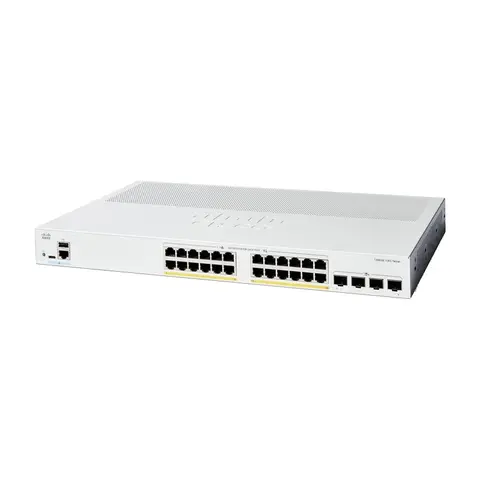 Cisco
CiscoCisco Catalyst C1300X-24P-4X network switch Managed L3 10G Ethernet (100/1000/10000) Power over Ethernet (PoE) Grey
C1300X-24P-4X€1,605.14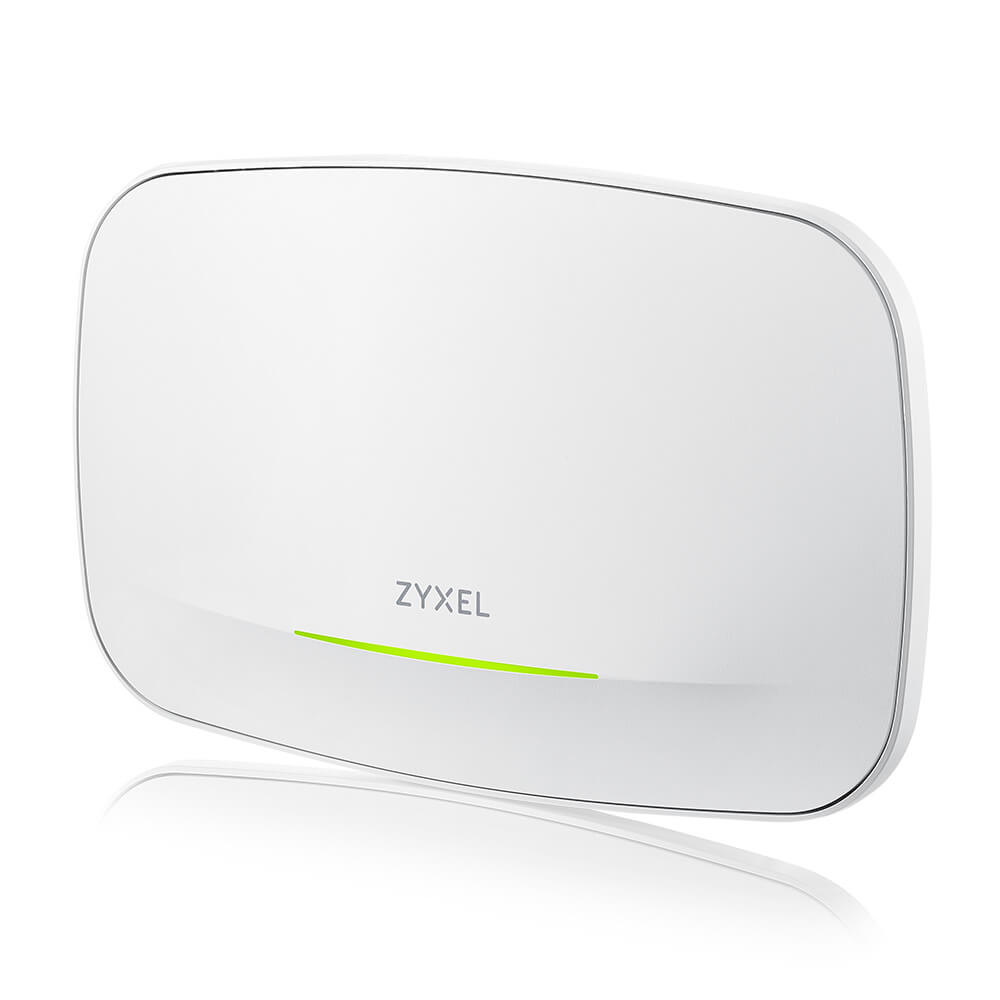 Zyxel
ZyxelZyxel Wireless AP WIFI7 • BE6500 • 4x4 • Indoor • 1x 2.5 GbE PoE At • WBE510D • StandA/NebulaFlex/Controller • Connect Protect
WBE510D-EU0201F€328.50 Grandstream Networks
Grandstream Networks GWN7813P network switch Managed L3 Gigabit Ethernet (10/100/1000) Power over Ethernet (PoE) Grey
GWN7813P€407.89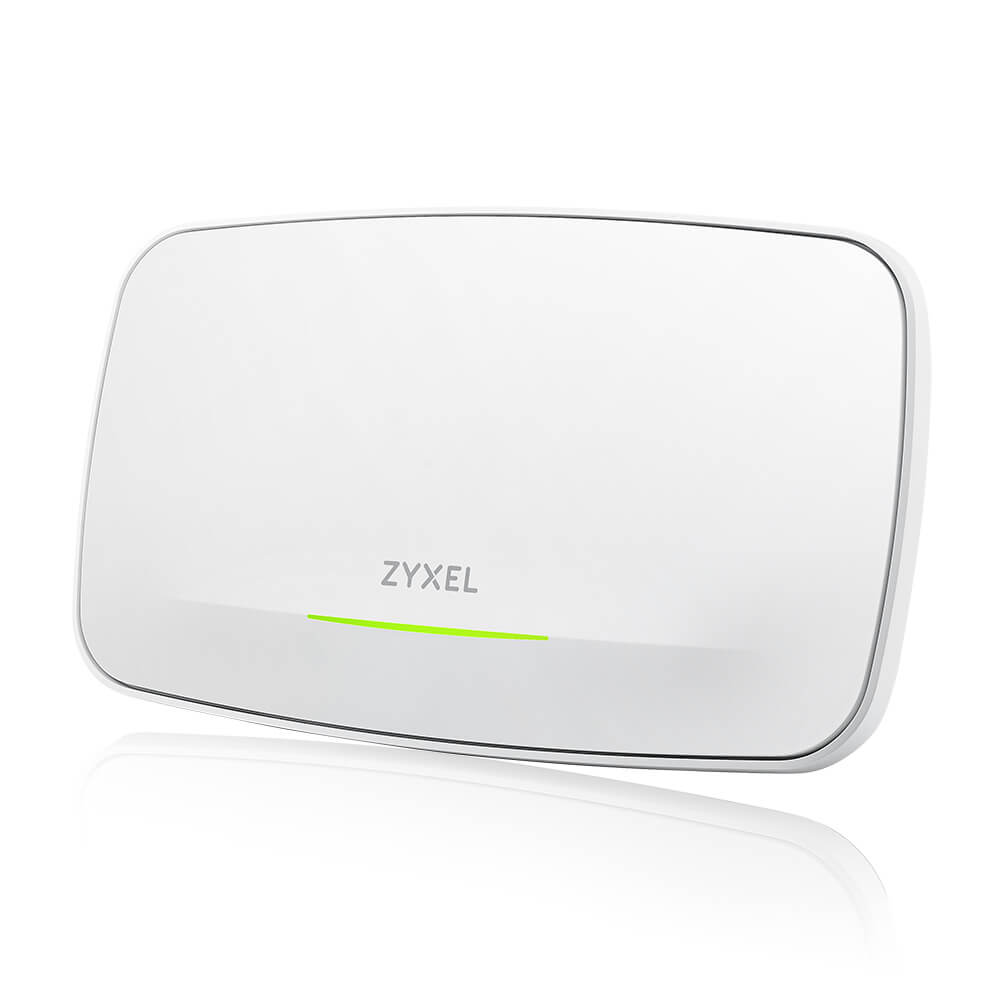 Unknown
Zyxel Wireless AP WIFI7 • BE22000 • 4x4 • Indoor • 1x 10 GbE 1x 1 GbE PoE Bt • WBE660S • NebulaFlex/Controller • Connect Protect
WBE660S-EU0201F€728.20