
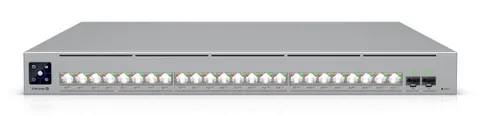
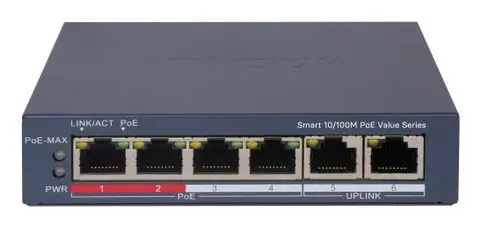
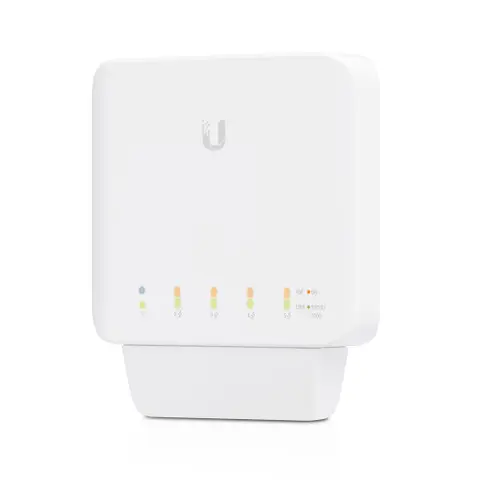
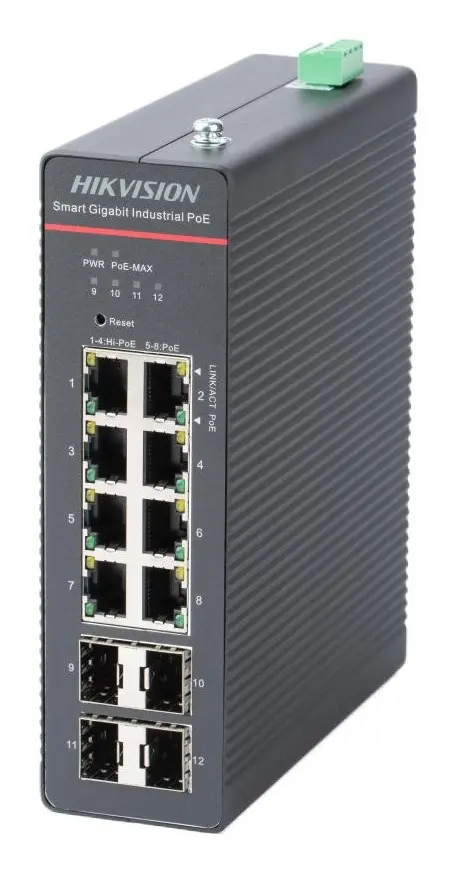
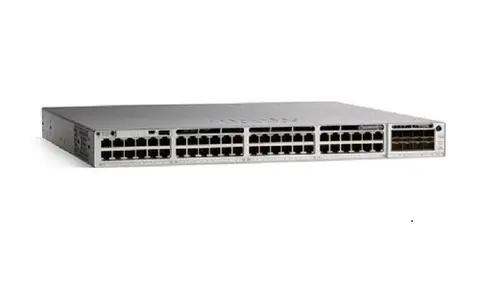
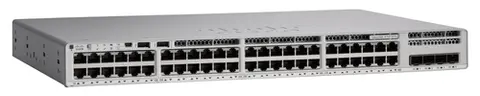
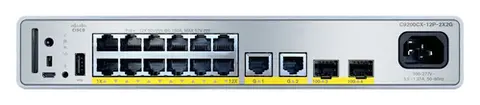
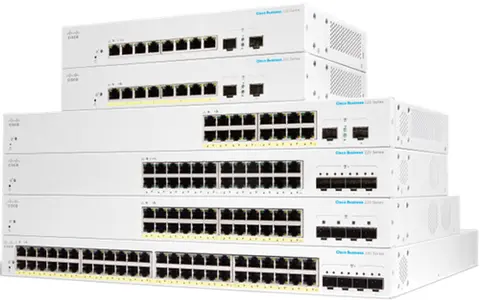
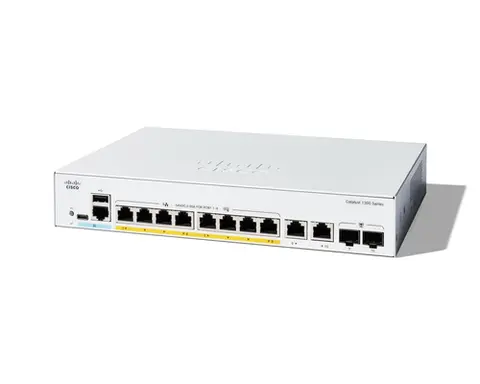
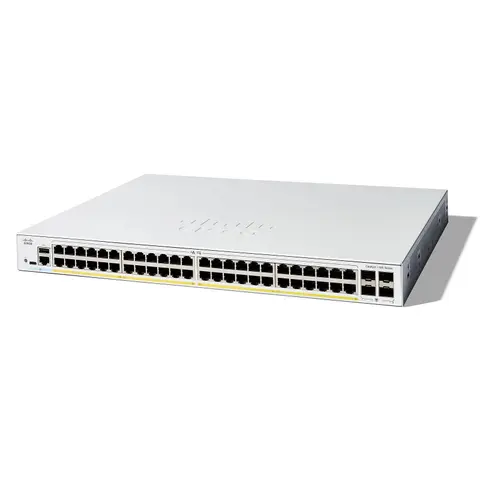
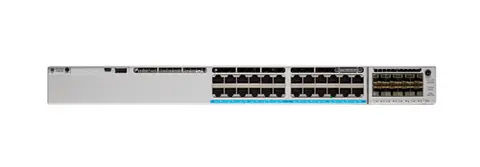
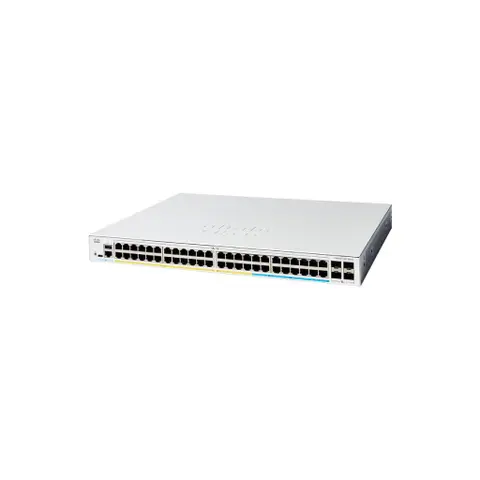
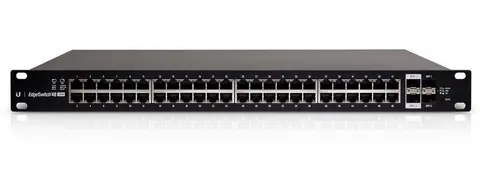
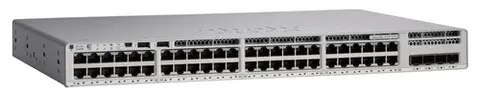
Managed PoE switches

384 products listed

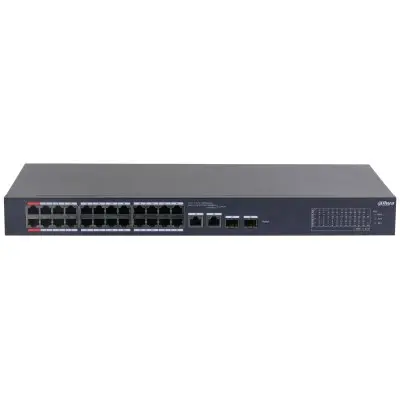
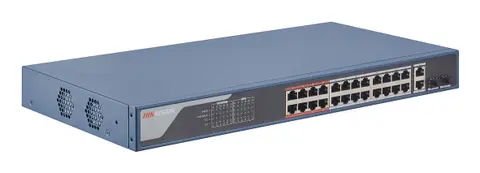
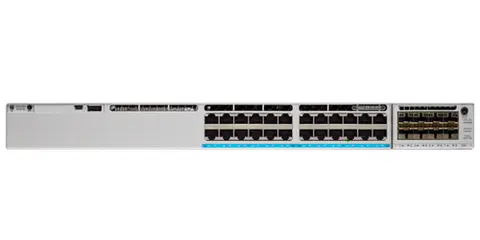
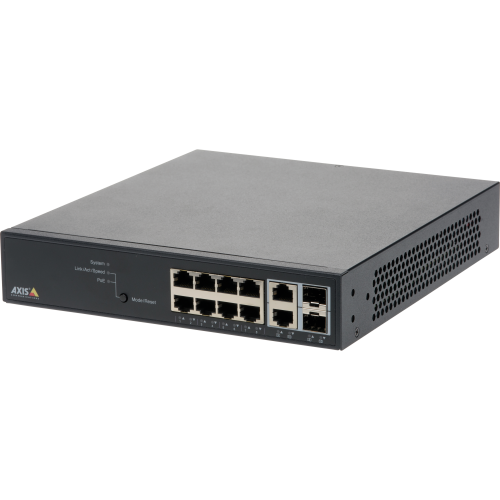
A managed PoE switch gives you the two controls that matter on a mixed network: which devices can talk to each other, and which ports have power. That is how CCTV, guest Wi-Fi, payment terminals and office data coexist safely on one cabling system.

Managed models also make remote support practical — you can power-cycle a frozen camera or access point from a browser instead of driving to site.

Managed PoE switches in stock and on order

Browse the full Network Switches category

How to choose managed

Layer 2 or Layer 3

Layer 2 managed switches handle VLANs, trunking, QoS and port security, which covers most single-site networks. Layer 3 models add inter-VLAN routing at the switch, which keeps traffic off the firewall and is worth it once you run several VLANs with heavy east-west traffic.

Controller-based or standalone

Vendor ecosystems (UniFi, Omada, Meraki, Catalyst) manage switches, access points and gateways from one console, which is a real time saving across multiple sites. Standalone switches avoid subscriptions and cloud dependencies but are configured one at a time.

Features worth checking before you order

  • Per-port PoE scheduling and remote power cycling
  • 802.1Q VLANs, and 802.1X if you authenticate devices at the port
  • LACP link aggregation for the uplink to the core
  • SNMP or vendor-cloud monitoring so faults surface before users report them

Managed — frequently asked questions

Do I need a managed switch, or is smart/web-managed enough?
Web-managed ('smart') switches cover VLANs and basic QoS at a lower price and are enough for many small sites. Fully managed switches add routing, richer security and proper monitoring, which matters at multi-VLAN or multi-site scale.
Can a managed switch turn PoE devices off on a schedule?
Yes. Per-port PoE scheduling is a standard feature and is commonly used to power down access points or displays out of hours, and to reboot unresponsive devices remotely.

Read before you buy