
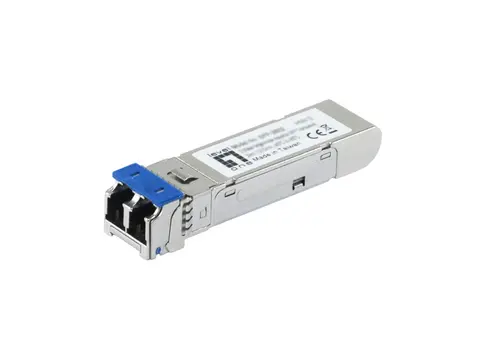
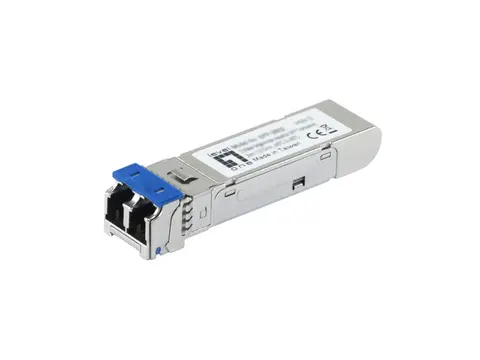
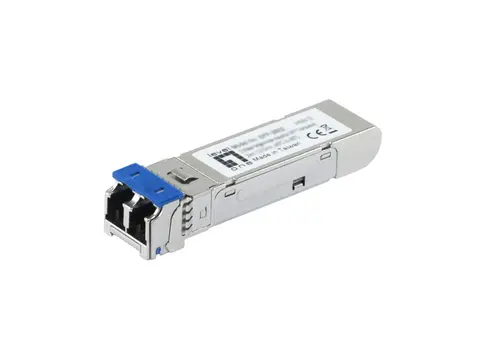
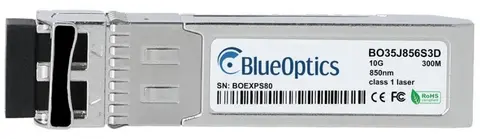
SFP and SFP+ fibre transceivers

1,515 products listed

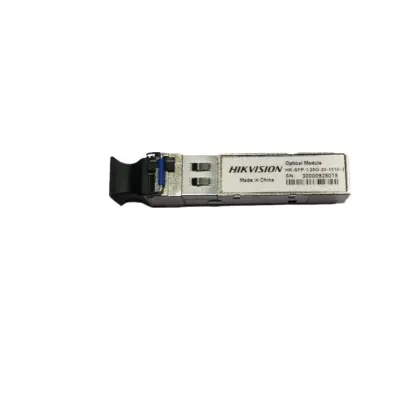
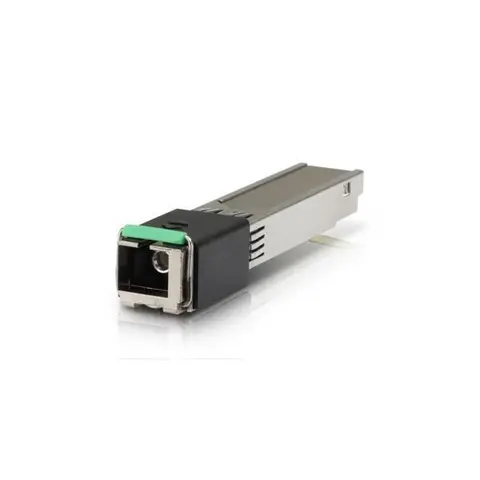
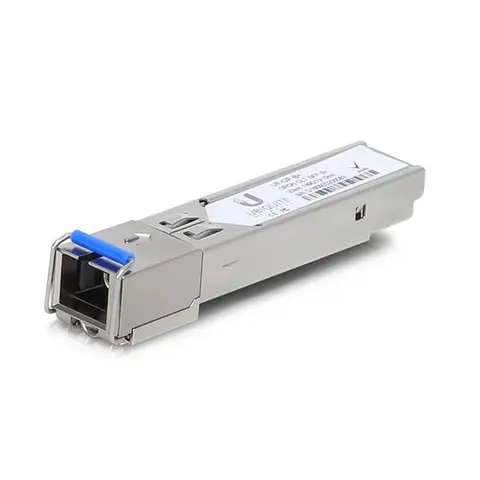
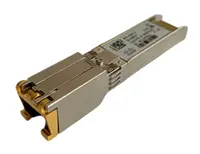
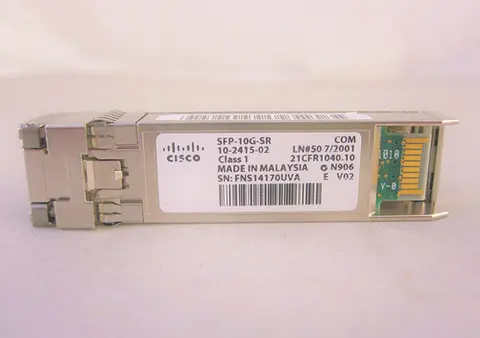
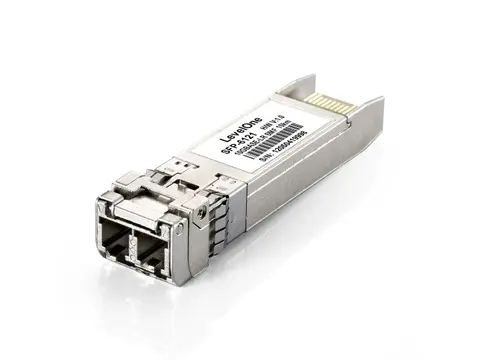
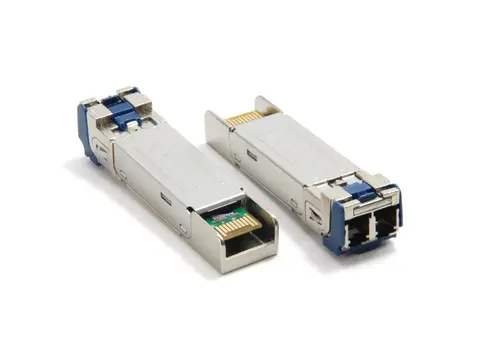
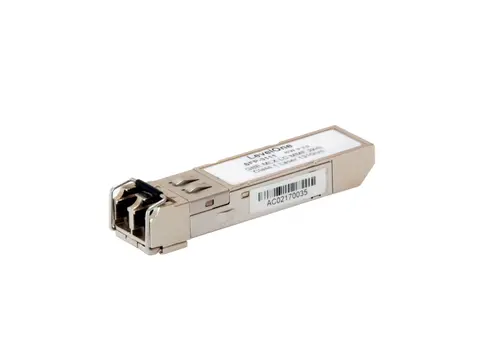
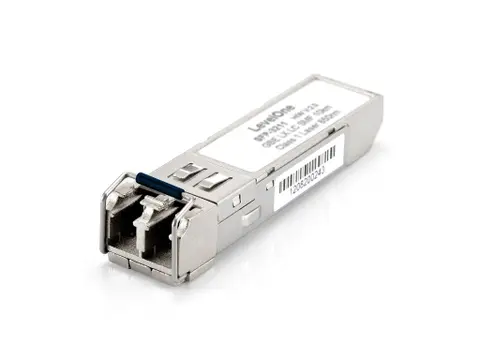
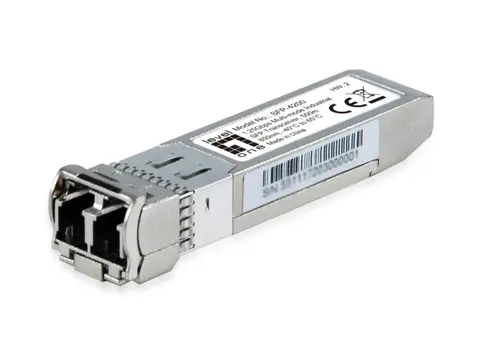
A transceiver is the small hot-swappable module that turns an empty SFP cage on a switch into a working fibre port. The switch sets the cage type, the fibre sets the optic, and the distance sets the wavelength — all three have to agree or the link will not come up.

Because they are sold separately from switches, transceivers are the component most often forgotten in a fibre order.

SFP and SFP+ fibre transceivers in stock and on order

Browse the full Cables & Accessories category

How to choose sfp transceivers

Match the cage, the speed and the fibre

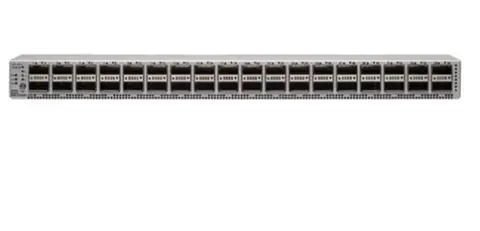
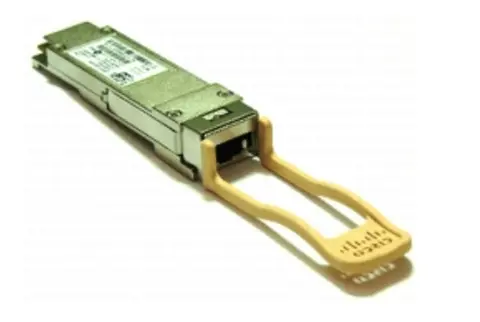
SFP cages take 1G optics, SFP+ takes 10G (and usually 1G as well), SFP28 takes 25G and QSFP+/QSFP28 take 40G/100G. An SFP+ module will not physically fit or function in a 1G-only SFP cage on many platforms, so check the switch datasheet.

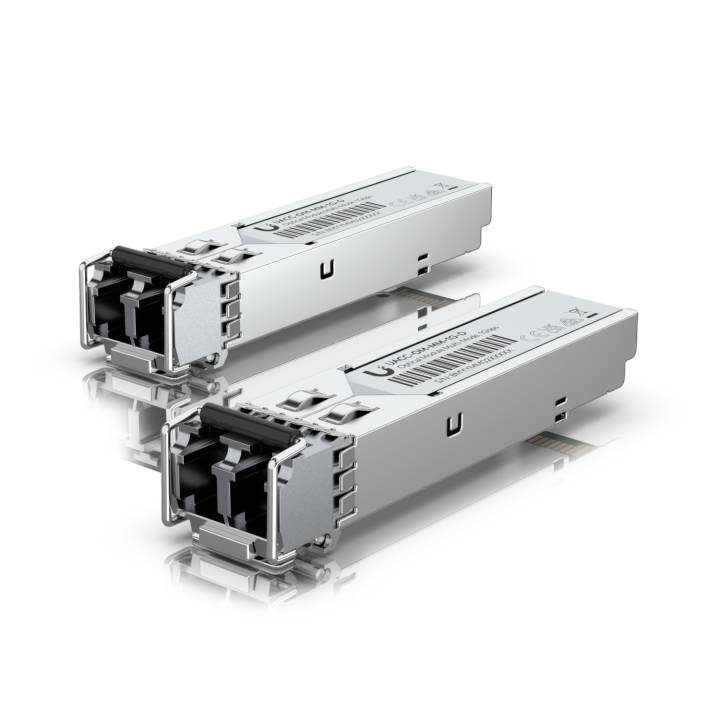
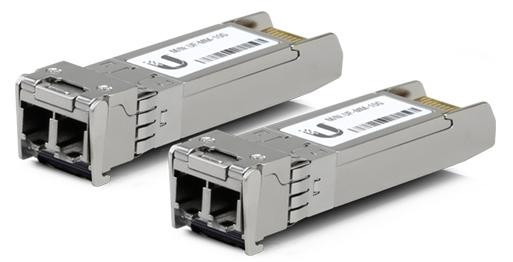
  • 1000BASE-SX / 10GBASE-SR — multi-mode, short in-building runs
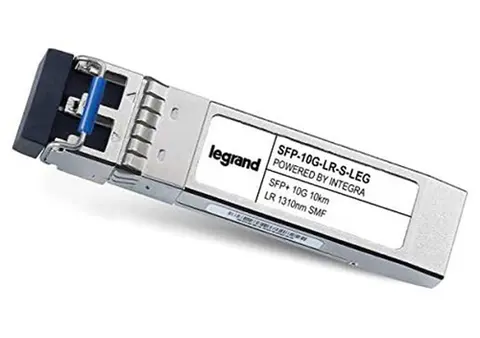
  • 1000BASE-LX / 10GBASE-LR — single-mode, campus and inter-building runs
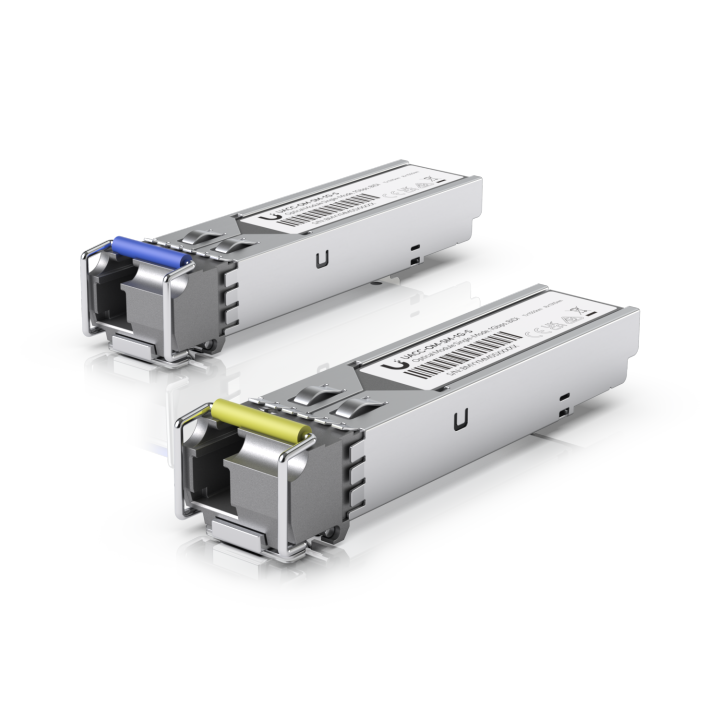
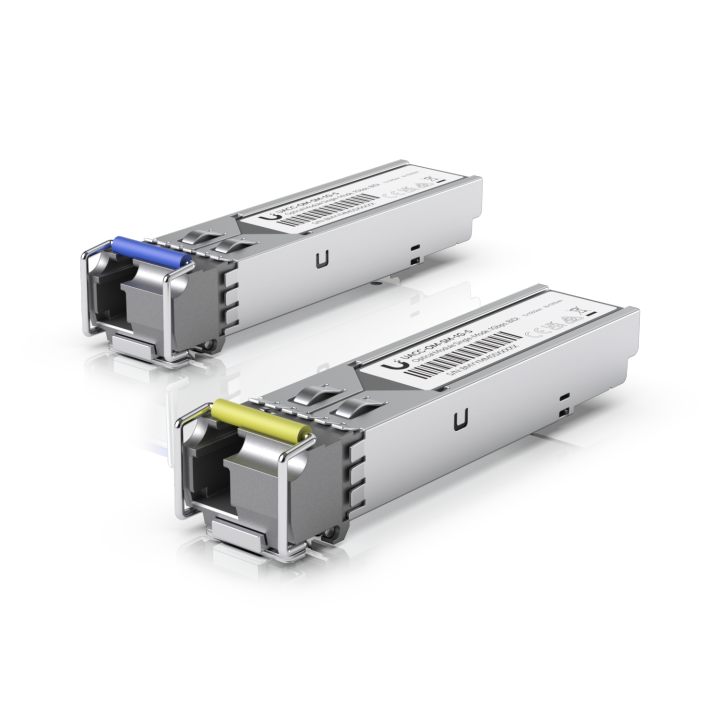
  • BiDi modules — one strand instead of two, sold in matched A/B pairs
  • Direct-attach copper (DAC) — cheapest option for switch-to-switch inside one rack

Vendor coding

Many switches check a coded EEPROM in the module and will reject or warn on unrecognised optics. Order transceivers coded for your switch vendor, or confirm that third-party optics are accepted on that platform before buying in quantity.

SFP transceivers — frequently asked questions

Do transceivers come with the switch?
Almost never. Switches ship with empty SFP cages and the optics are ordered separately to match the fibre type, distance and vendor coding.
Can I mix single-mode and multi-mode transceivers?
No. Both ends of a link must use the same fibre type and matching optics. A single-mode module on multi-mode fibre may appear to link at very short range and then fail unpredictably.

Read before you buy