Why this isn't really a head-to-head choice anymore
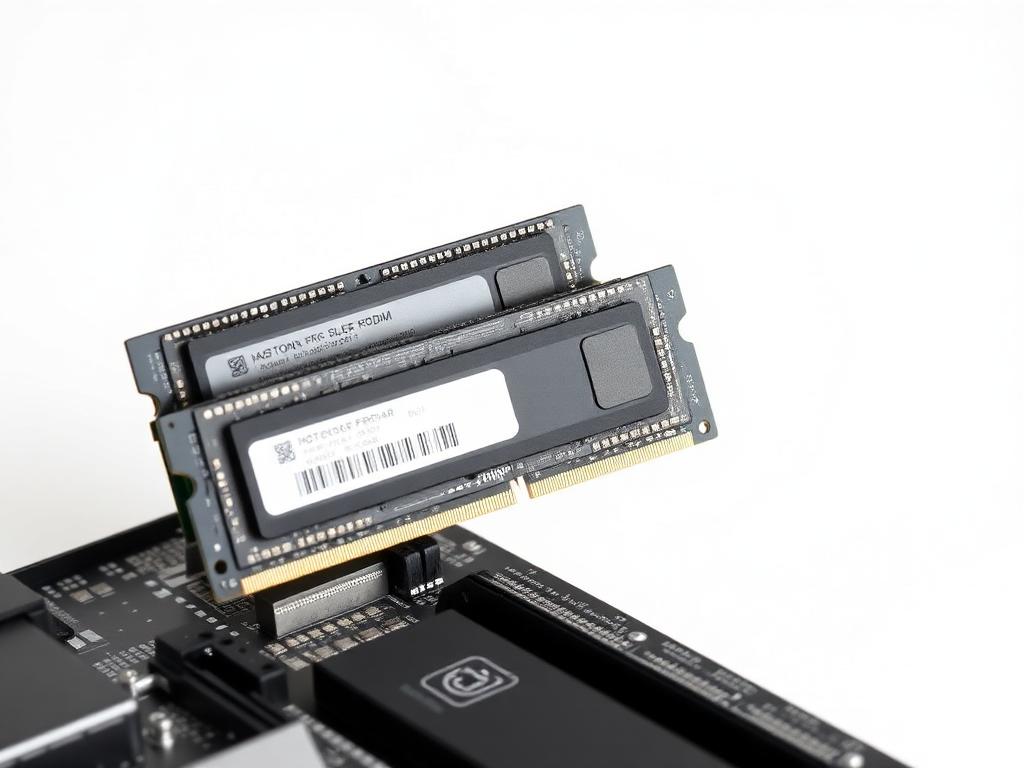
DDR4 vs DDR5 was a live purchasing decision in 2022–2023, when both memory generations had current CPU platform support. That's no longer true: 4th-generation Intel Xeon Scalable (Sapphire Rapids) and AMD EPYC Genoa, and everything released since, support DDR5 exclusively. If you're speccing a new server today, DDR5 isn't a choice — it's a consequence of choosing a current CPU platform. The only live DDR4 decision left is whether to keep buying DIMMs for an existing DDR4-generation server fleet.
The real-world bandwidth gain
DDR5-6400 offers roughly double the peak per-channel bandwidth of DDR4-3200 (the common enterprise DDR4 speed grade). In practice, that gain matters most for memory-bandwidth-bound workloads: high-density virtualization hosts, in-memory databases, and AI/ML inference serving, where the CPU is frequently waiting on memory rather than compute. For typical file/print/application servers with moderate memory pressure, the practical difference is much smaller — the bottleneck usually sits elsewhere (storage I/O, network throughput).
Cost and supply considerations
DDR5 server RAM carries a 20–40% cost-per-GB premium over DDR4 as of 2026, though that gap has narrowed steadily since DDR5's 2021 introduction and will keep narrowing as DDR4 production winds down industry-wide. For budget planning: extending an existing DDR4 server (adding capacity, replacing a failed DIMM) remains the cheapest short-term option, but DDR4 DIMM supply and pricing will only get worse as fabs shift capacity to DDR5, so this is a depreciating strategy, not a stable long-term one.
Buying on FUSE
FUSE stocks both DDR4 and DDR5 server memory, plus current-generation DDR5-only server platforms, across EU warehouses in Malta, Poland, the Netherlands, and Germany, with trade pricing for resellers and integrators.
Frequently asked questions
Can I put DDR5 RAM in a DDR4 server?
No. DDR4 and DDR5 DIMMs are physically keyed differently and are not interchangeable — a DDR4 motherboard/CPU platform cannot accept DDR5 modules and vice versa. Upgrading memory generation always requires a full platform (motherboard + CPU) replacement.
Is DDR5 worth the price premium for a typical file server?
For workloads that aren't memory-bandwidth-bound (file/print servers, most line-of-business applications), the real-world performance difference is modest and often not worth a full platform refresh on its own. DDR5 becomes clearly worthwhile for virtualization hosts, database servers, and AI/ML workloads where memory bandwidth is a genuine bottleneck.
Are current-generation server CPUs still available with DDR4 support?
No — all current-generation Intel Xeon Scalable (4th gen and newer) and AMD EPYC (Genoa and newer) platforms are DDR5-only. DDR4 support exists only on previous-generation platforms, which are increasingly harder to source new.
Does DDR5 improve server reliability?
Yes, meaningfully — DDR5 standardises on-die ECC (error correction built into every DIMM regardless of whether the platform supports side-band ECC) and moves voltage regulation onto the DIMM itself via an on-board PMIC, both of which improve stability and reduce memory-related errors compared to DDR4.
Should I buy DDR4 servers now while they're still available?
Only if you're expanding an existing DDR4 fleet for consistency, or the workload genuinely doesn't need DDR5's bandwidth and the price gap matters. For any new, standalone server purchase intended to stay in service 5+ years, a current DDR5 platform is the safer long-term choice given DDR4's shrinking supply and rising relative cost.
Where can I buy DDR4 or DDR5 server hardware in the EU?
FUSE stocks both DDR4 and DDR5 server memory and current server platforms across EU warehouses in Malta, Poland, the Netherlands, and Germany, with trade pricing for resellers and integrators.
Buy servers equipment on FUSE
Multi-warehouse EU stock from Malta, Poland, Netherlands, and Germany — with EU-resident technical support and trade pricing for resellers, integrators, and MSPs.
Shop the category
Live pricing and stock for the hardware compared above.
Buy the hardware in this article
Live FUSE pricing and stock for the hardware compared above.
ROLINE
ROLINE 19-inch server rack Pro 42 U, 800x1000 WxD black
26.21.0158€1,313.72 Lanberg
Lanberg FF01-6624-12BL rack cabinet 24U Freestanding rack Black
FF01-6624-12BL€387.11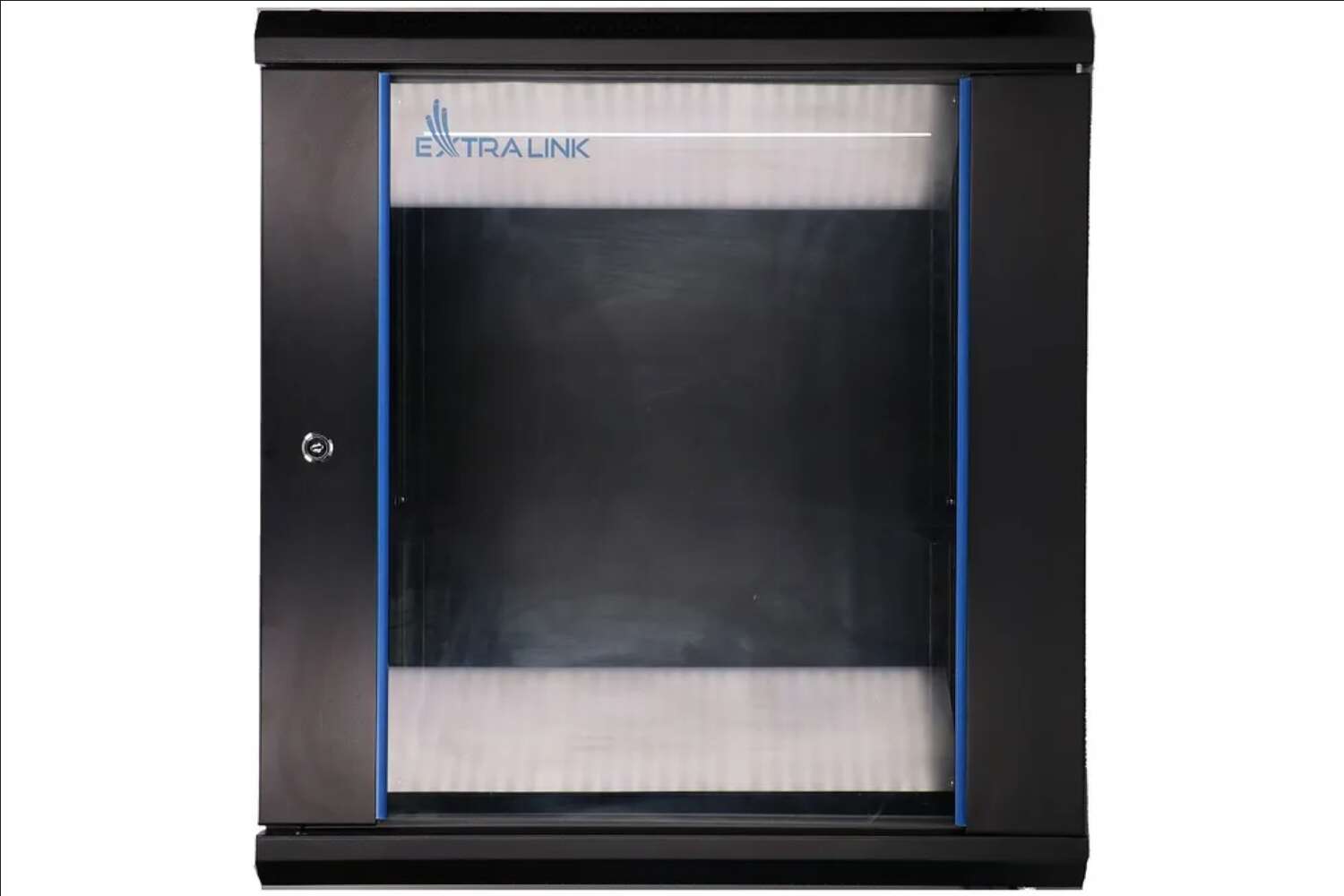 Unknown
Extralink 12U 600x600 wall-mounted rack cabinet, black
EX.7256€107.63 Lanberg
Lanberg FF01-6624-23BL rack cabinet 24U Freestanding rack Black
FF01-6624-23BL€406.31 EFB Elektronik
EFB Elektronik 691712VTS.60 rack cabinet 12U Wall mounted rack Black
691712VTS.60€227.22 Lanberg
Lanberg FF01-6032-23BL rack cabinet 32U Freestanding rack Black
FF01-6032-23BL€534.28