
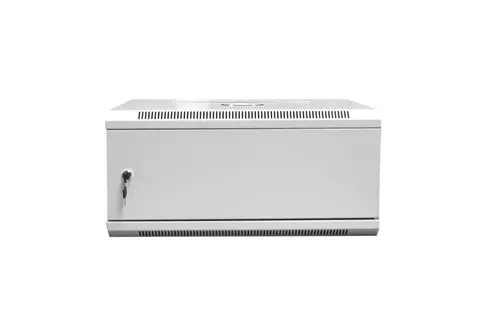
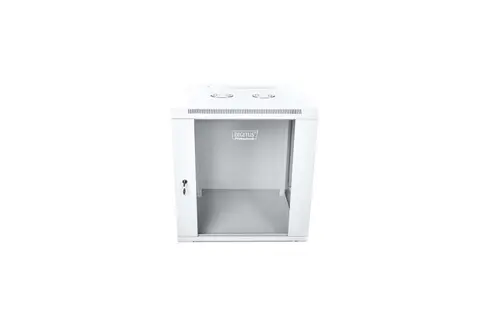
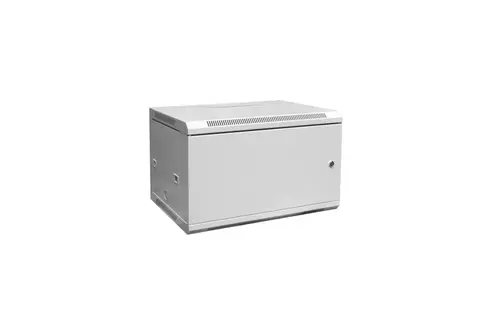
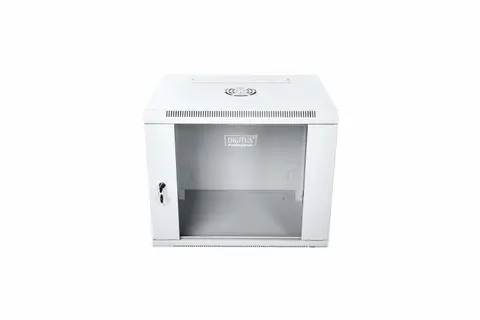
Server racks and network cabinets

829 products listed

A rack is the one part of a network installation that nobody replaces for a decade, so the sizing decision outlives the equipment inside it. Racks are measured in rack units (1U = 44.45 mm) of usable height, by external width and — the dimension people forget — by internal depth.

The 19-inch mounting standard is near-universal for switches, patch panels, UPS units and rack servers, with 10-inch cabinets available for small installations that only hold a patch panel and a switch.

Server racks and network cabinets in stock and on order

Browse the full Racks & Cabinets category

How to choose server racks

Size the rack for depth first, then height

Height is easy to estimate; depth is what causes returns. A patch panel needs almost no depth, a PoE switch needs 300–400 mm, and a rack server or UPS can need 800 mm plus cable-management space behind it. Measure the deepest device you will ever install, add 100 mm for cabling, and buy to that.

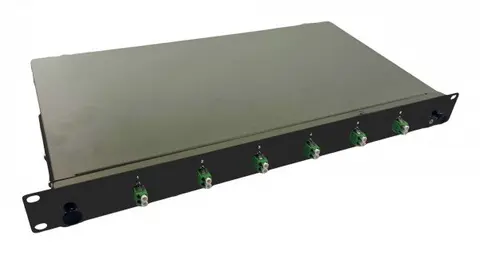
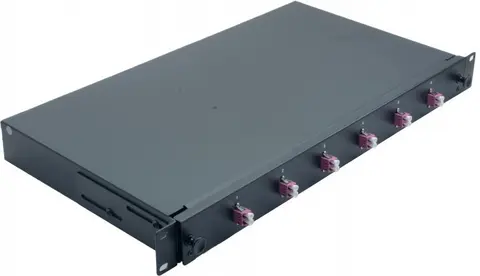
  • Patch panel: 1U per 24 ports
  • Access switch: 1U, plus 1U of gap for airflow on hot PoE models
  • UPS: 1U–3U, heavy — always mount at the bottom
  • Leave 20–30% of the U height free for whatever gets added next

Wall-mounted or floor-standing

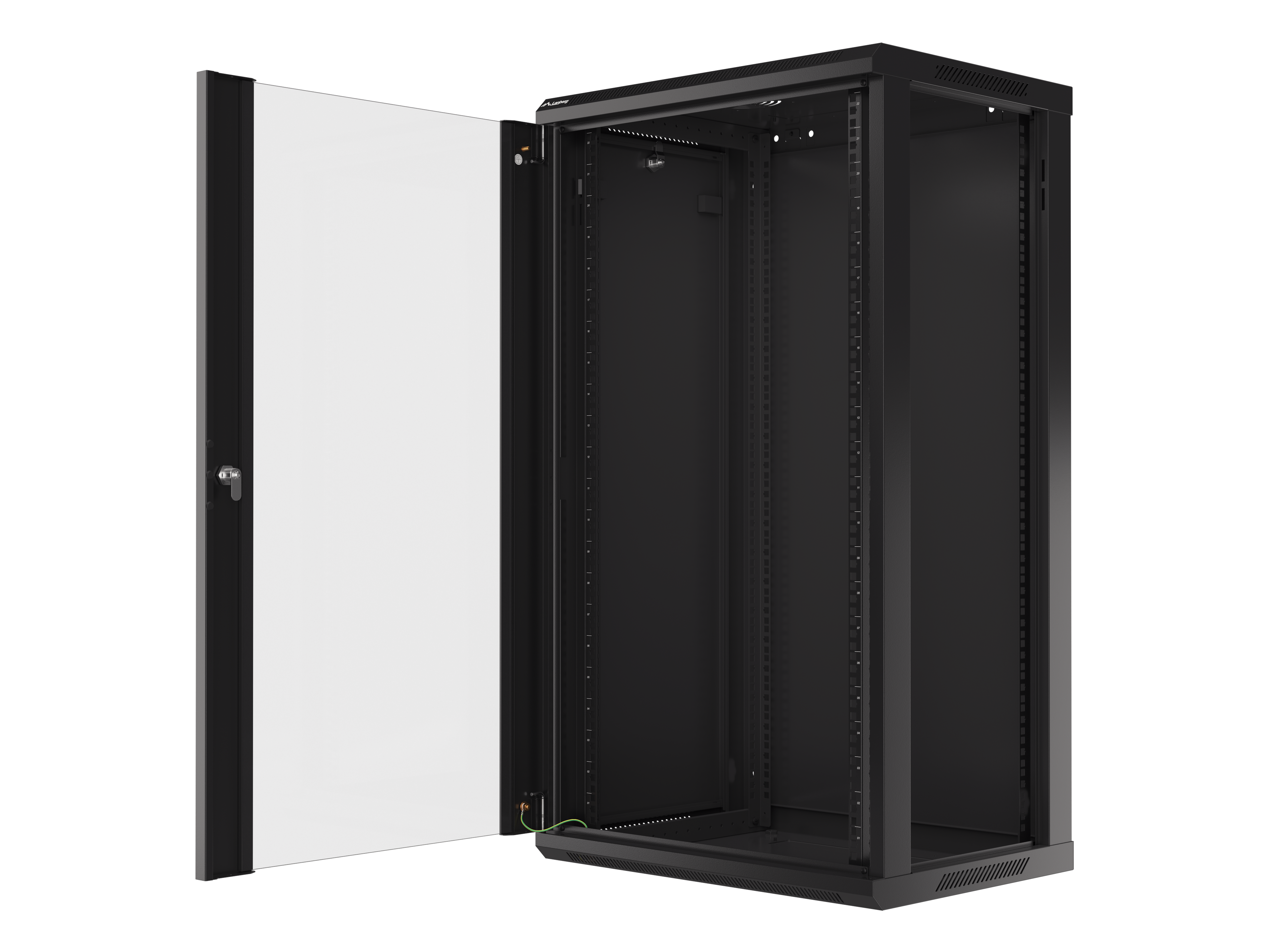
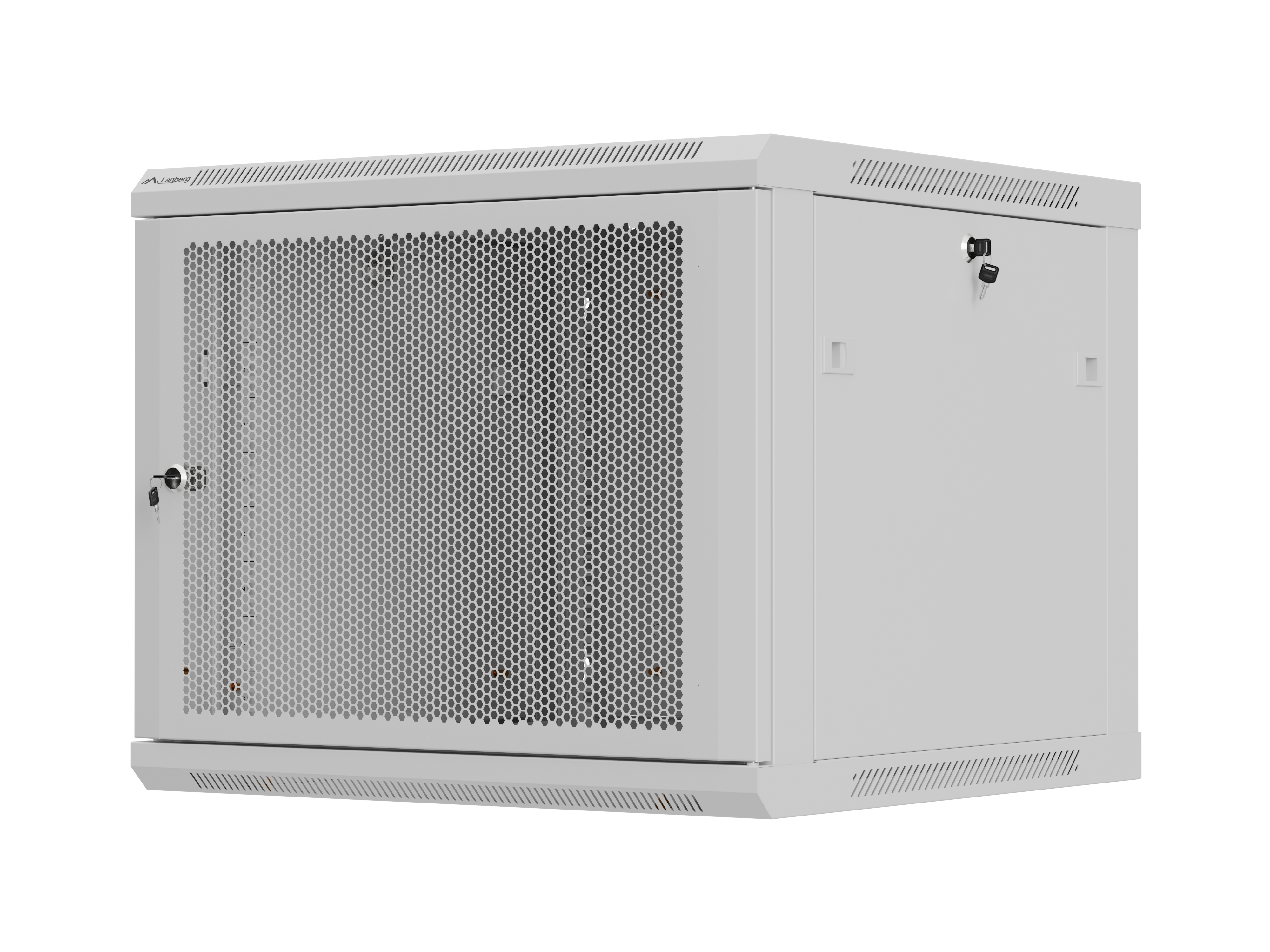
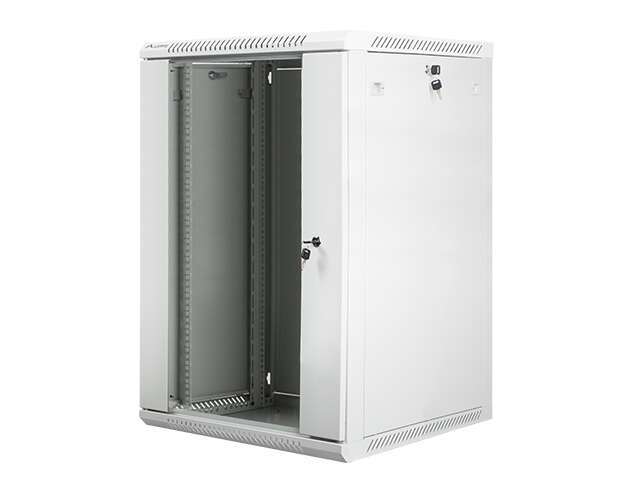
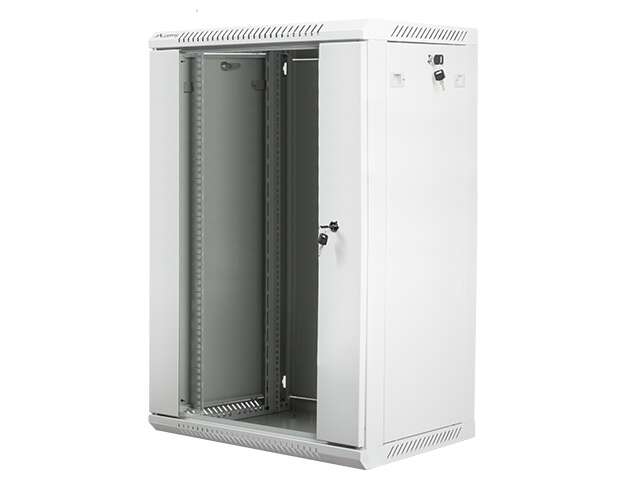
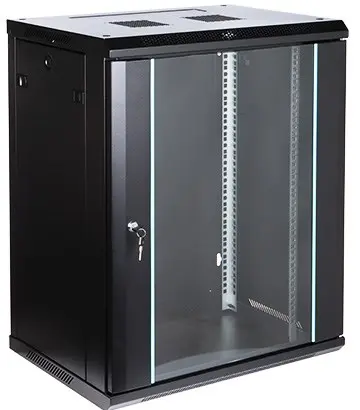
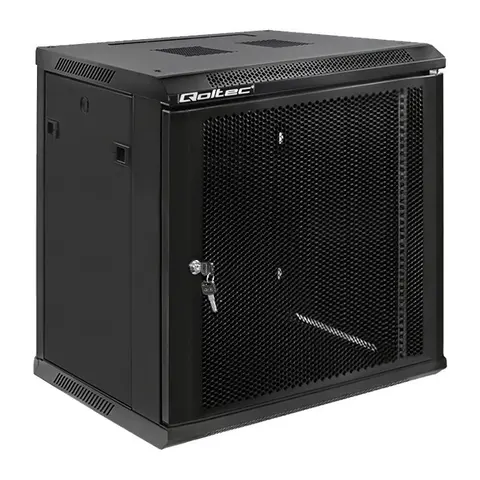
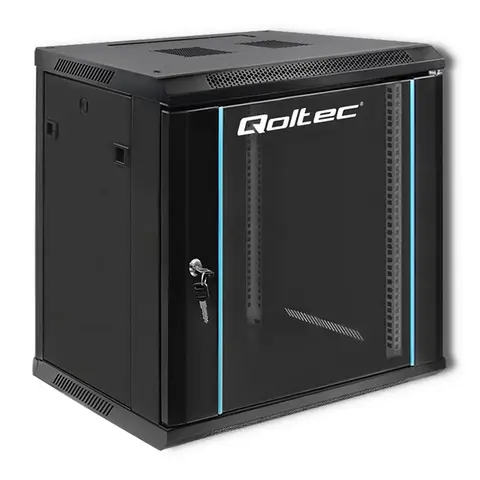
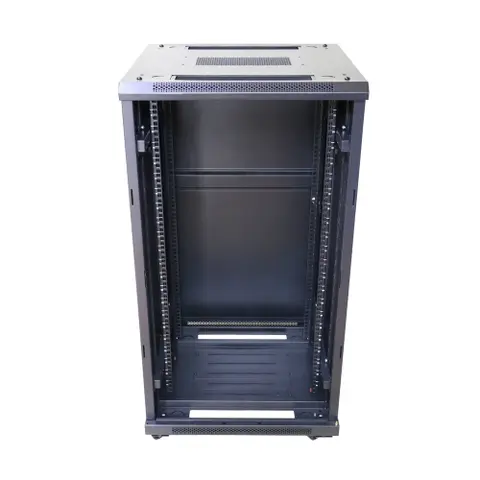
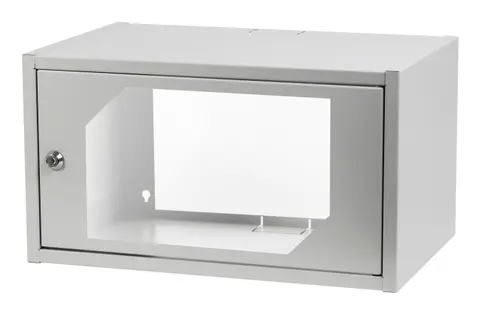
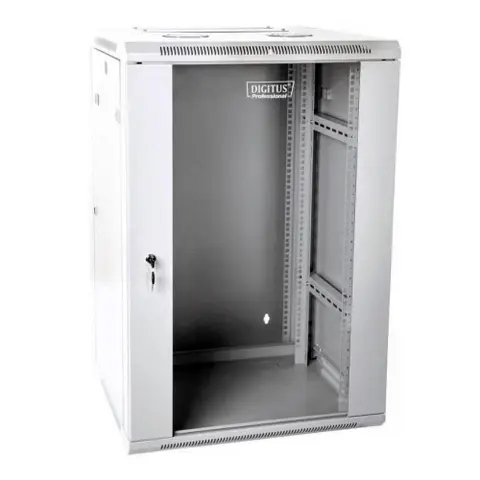
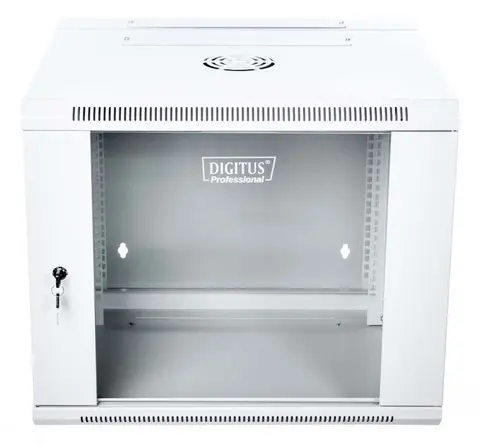
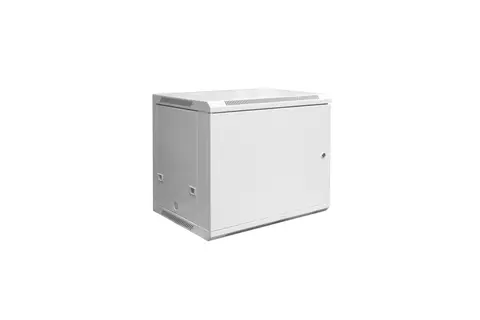
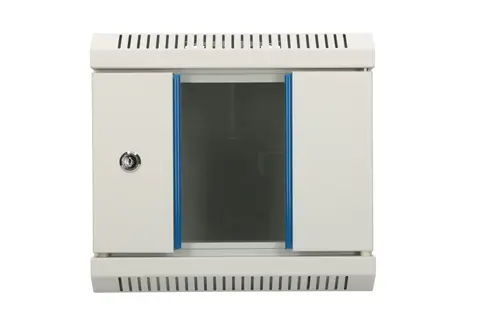
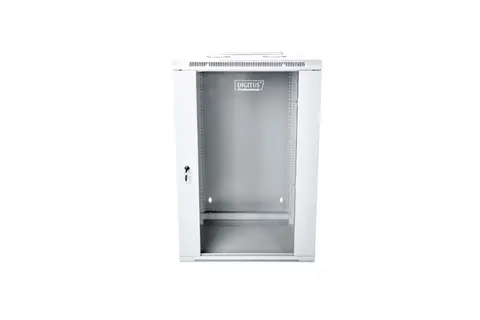
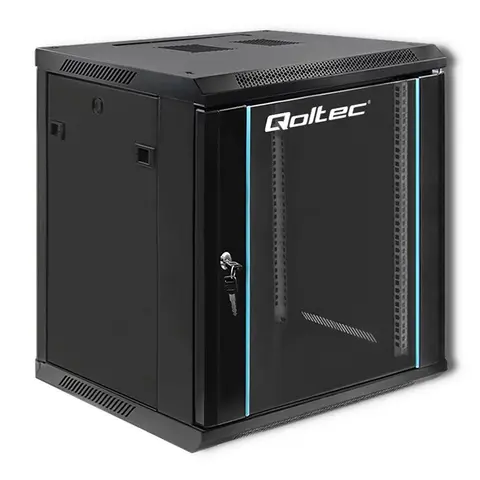
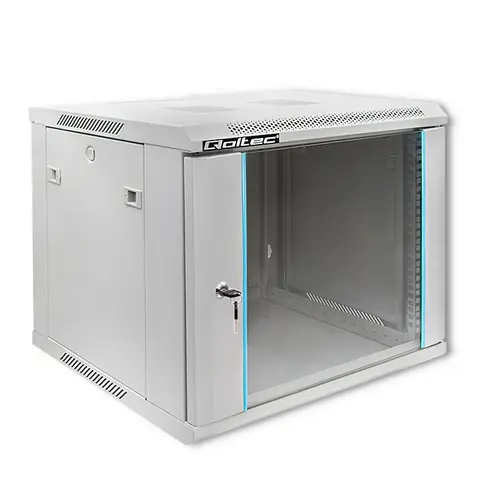
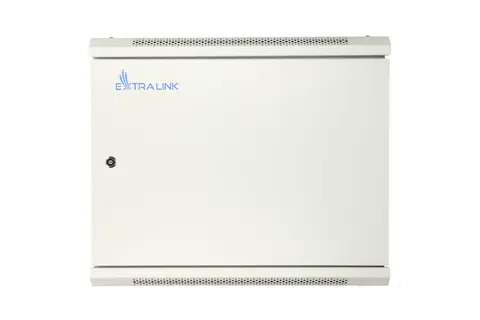
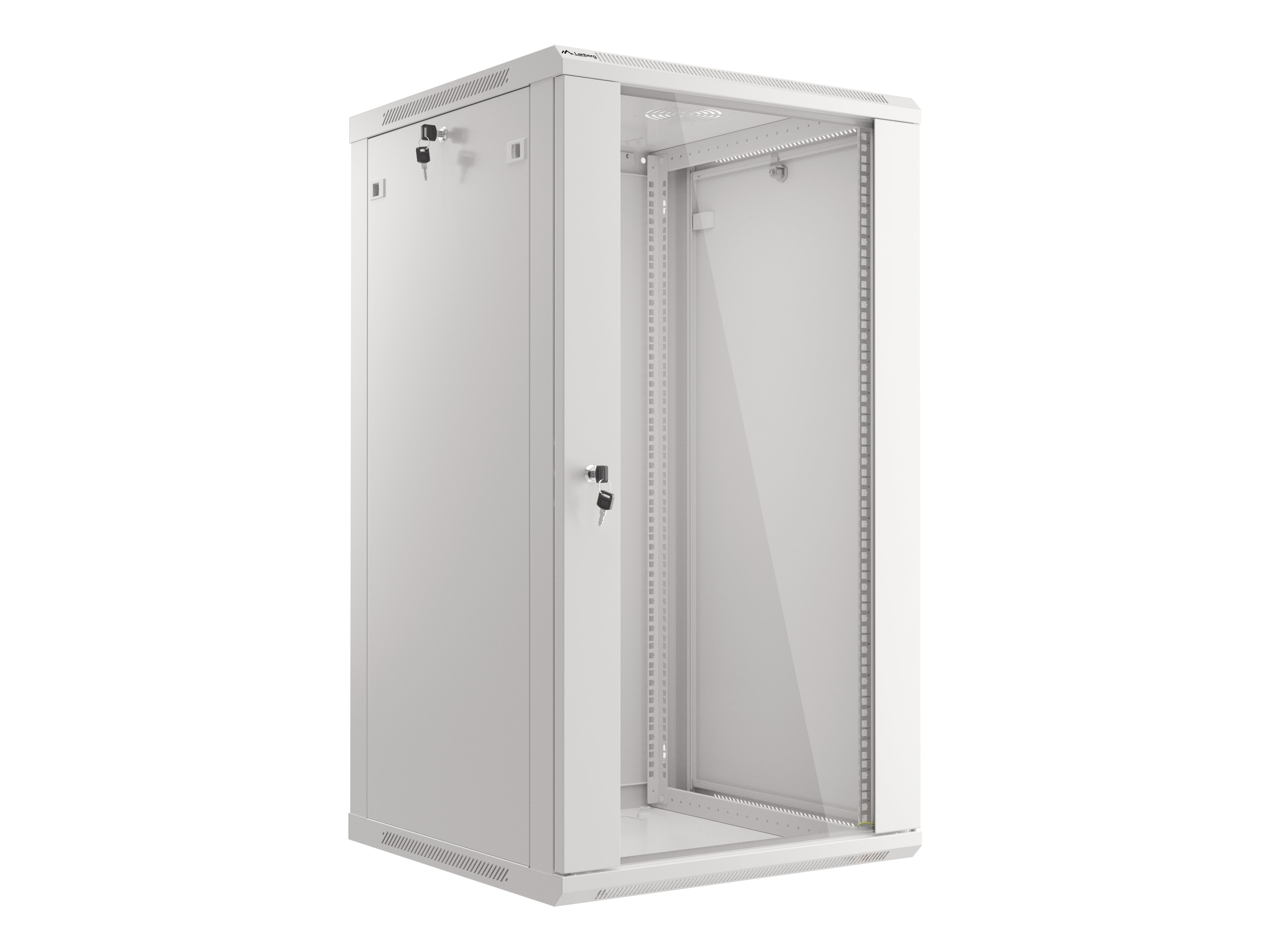
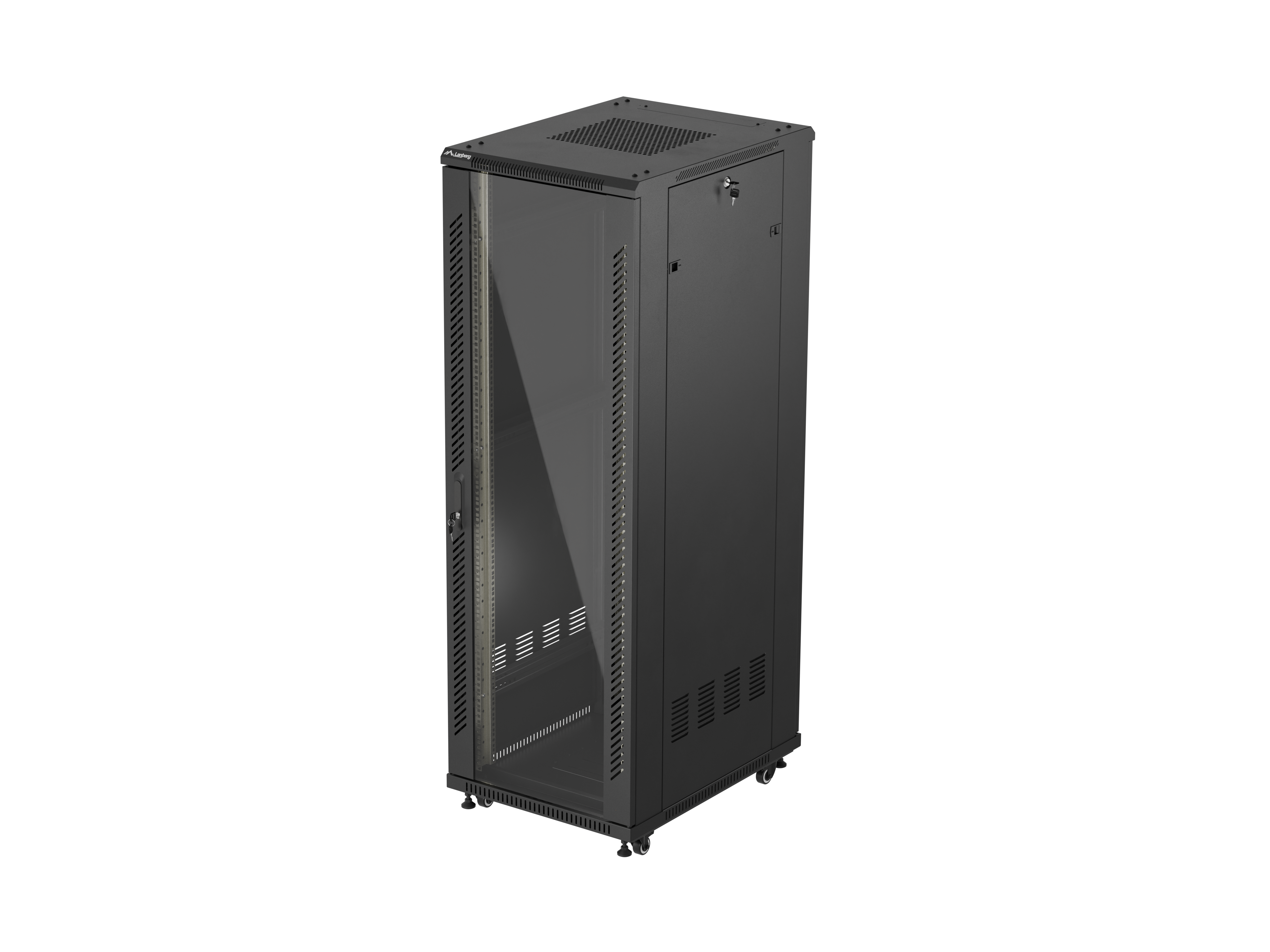
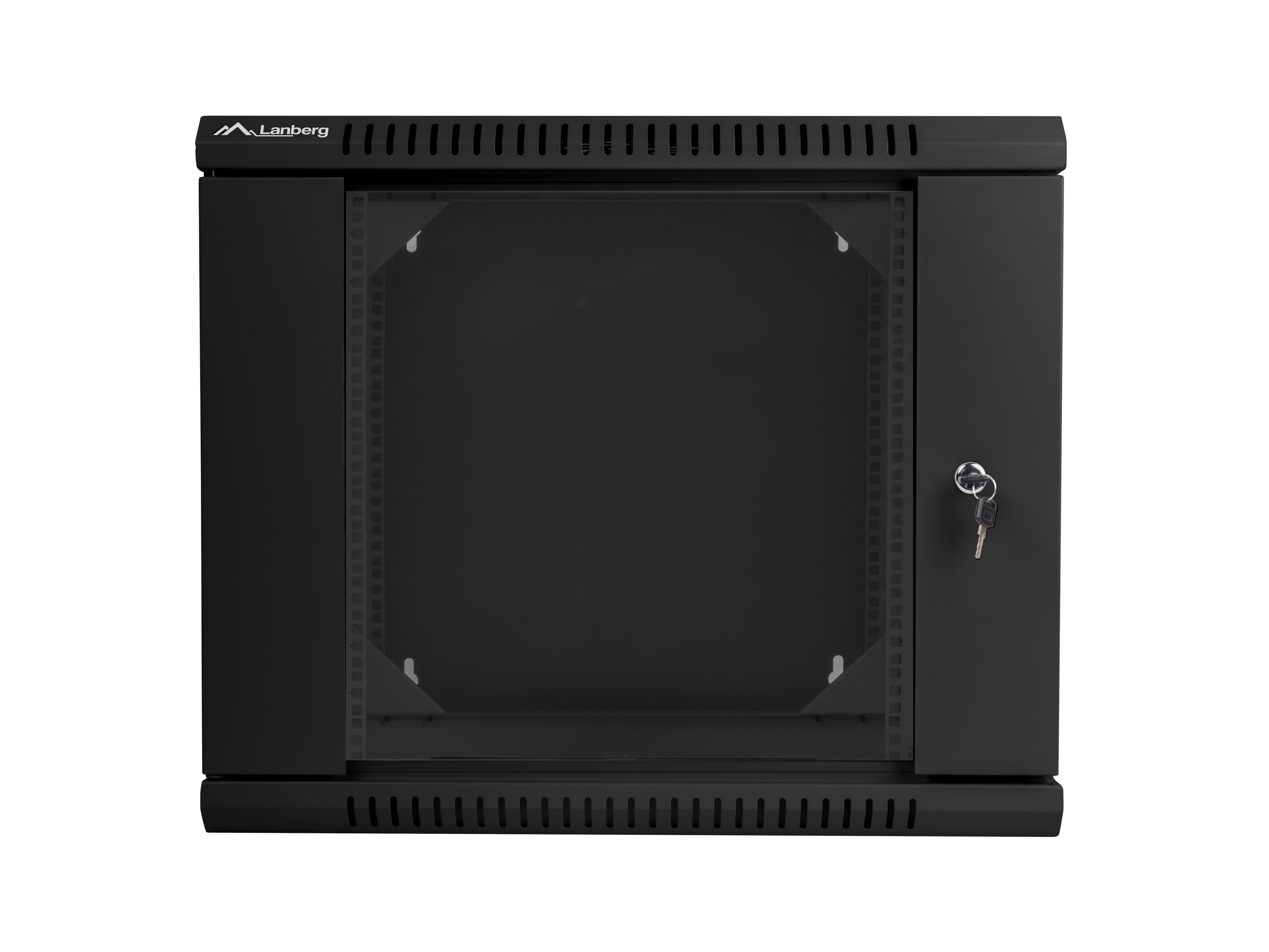
Wall cabinets (typically 4U–18U) keep small installations tidy and off the floor, and suit receptions, shops, clinics and residential comms points. Floor-standing cabinets (typically 22U–47U) are for comms rooms with servers, UPS and multiple switches — anything heavy belongs on castors or feet, not on a wall bracket.

Cooling, access and security

Perforated or mesh doors are the default for anything generating heat; glass doors look better but need fans. Check the door swing before you order — in a narrow corridor a reversible or split door is the difference between a serviceable rack and one you cannot work in. Lockable doors and side panels matter wherever the rack is in a public or shared space.

Server racks — frequently asked questions

What size rack do I need?
Add up the U height of every device, add 20–30% for growth, then confirm the internal depth fits your deepest device plus cabling. Wall cabinets typically go up to 18U; floor-standing cabinets run from 22U to 47U.
What is the difference between a rack and a cabinet?
An open rack is a frame with mounting rails and no enclosure, used in secure comms rooms where airflow and access matter most. A cabinet is an enclosed rack with doors and side panels, which adds security, dust protection and noise reduction.
How much weight can a wall-mounted cabinet hold?
It depends on the model and, critically, on the wall. Manufacturers publish a static load rating — typically 30–60 kg for wall cabinets — and it assumes fixings appropriate to a solid wall. Servers and UPS units belong in floor-standing cabinets.

Read before you buy