
Guest connectivity from cabin to salon
Build a vessel network around guest experience, crew access and onboard services, with a controlled handoff to a resilient multi-WAN edge.

Design cabin coverage inside the accommodation
Separate guest, crew and vessel services
Protect essential traffic on limited WANs
How the solution connects
Independent uplinks meet a controlled network boundary. Local access is separated by purpose.
Read the connection map
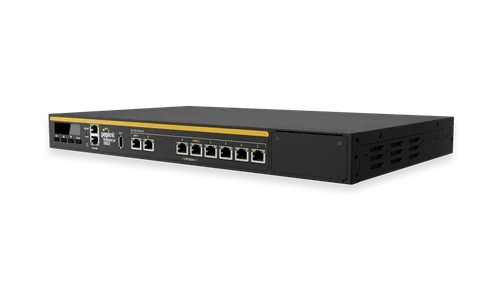
- Satellite Ethernet WAN → Balance 580X · Primary path
- Cellular modem WAN · scoped → Balance 580X · Alternate WAN
- Balance 580X → MS130-48P PoE · Policy boundary
- MS130-48P PoE → Cabin wall-plate APs · Separate zone
- MS130-48P PoE → Salon Wi-Fi · Separate zone
- MS130-48P PoE → Crew + vessel services · Separate zone
The challenge on the ground
Bulkheads, decks and interior finishes can make one cabin behave very differently from the next. Meanwhile, guest streaming, crew calls and vessel applications compete for changing satellite and cellular capacity.
The onboard LAN should remain useful even when the internet service is constrained.
Inside the design
Use a Balance 580X at the WAN edge with separately specified cellular modem hardware and satellite Ethernet transport. Terminate the agreed SpeedFusion tunnel at FusionHub. An MS130-48P distributes wired/PoE access; CW9172H wall-plate APs serve the initial six-cabin layout and CW9172I APs serve salons.
Keep guests, crew, vessel applications and management isolated. Select one IDEA server option only if the vessel requires the corresponding onboard application workload.
Operating it day to day
Survey occupied cabins with doors closed and normal interior finishes. Agree casting/discovery behaviour per cabin without exposing other guests. Prioritise vessel applications and support before nonessential downloads on constrained WANs.
The indoor MV23M is suitable only for the scoped indoor camera role; exposed deck cameras need separately rated models. Record subscription, data-plan and renewal ownership at handover.
What to test before handover
- Test representative cabins with doors closed and agreed client devices.
- Confirm guest-to-guest and guest-to-vessel isolation.
- Exercise WAN failover using a call and an onboard application.
- Verify that local vessel services remain reachable with internet disconnected.
Technical references
The bill of materials
Illustrative vessel with six guest cabins and two indoor social areas. Exposed decks require a separate outdoor wireless design. Quantities below describe the example; your proposal confirms the final equipment and services.
Peplink FusionHub 100
FHB-100-AVirtual tunnel endpoint
Tier and host sized for the vessel traffic profile.
View product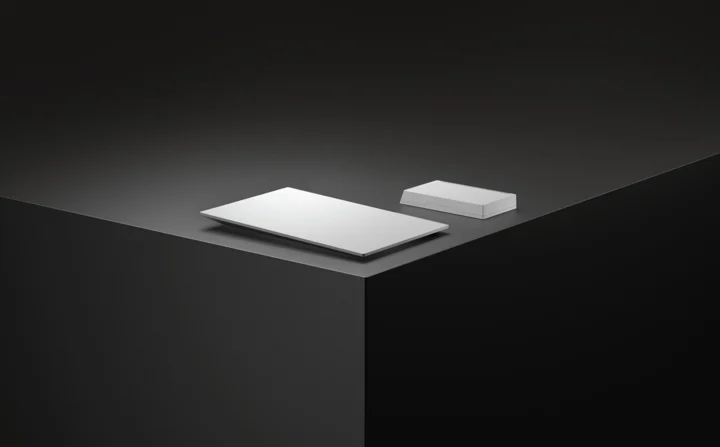
Starlink Performance Gen 3
SLK-PFMSatellite Ethernet transport
Performance Gen 3; confirm regional service eligibility, mounting and power for the installation.
View product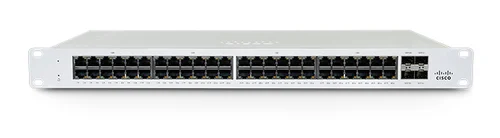
Cisco Meraki MS130-48P Cloud Managed 48-Port PoE Switch
MS130-48PAccommodation PoE access
View product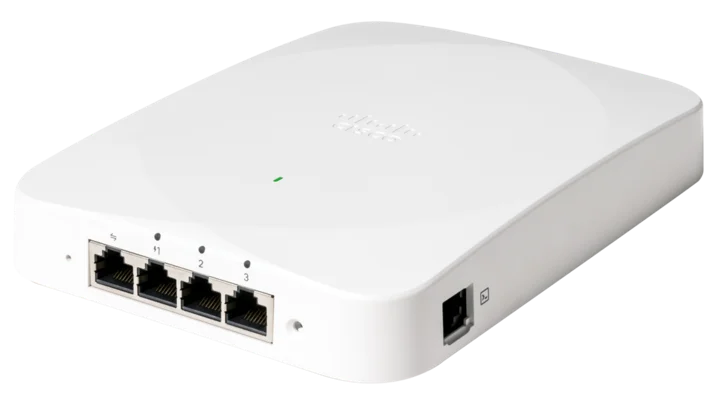

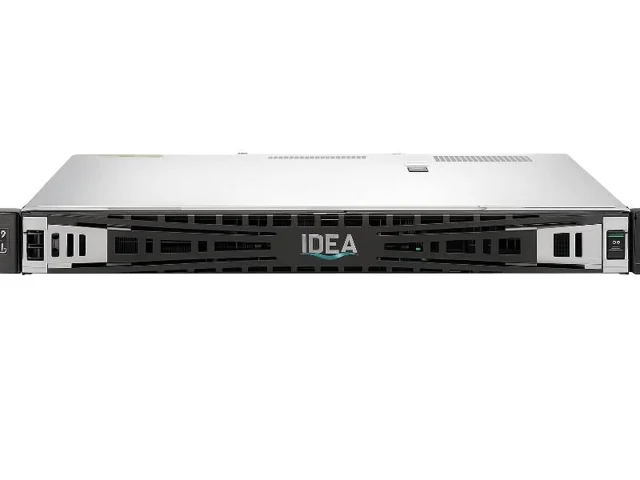
IDEA 1U Server SR100 - Certified & Optimized for IDEA Software
IDEA-SR100Onboard application server
Optional — Select only for the agreed IDEA workload and capacity.
View productComplete the installation
The equipment above is one part of the project. Include these items in the final scope.
- Cellular modem(s), SIMs and engineered marine antennas
- Marine satellite service and SpeedFusion entitlements
- Outdoor Wi-Fi/cameras if required
- Protected power, cabling and endpoint hosting
Questions before you specify
Does the Balance 580X include the marine cellular antennas and modems?
No. Specify the modem hardware, SIMs and compatible antenna system separately. An antenna is not an independent WAN connection.
Will these APs cover exposed decks?
The BOM covers indoor accommodation. Decks need suitable outdoor models, marine mounting and a separate coverage survey.
Let’s design it for your site.
Send us the details below. We can turn the reference architecture into a scoped design, equipment schedule and quotation.
Start your projectBring these to the first conversation
- 01General arrangement and cabin plans
- 02Operating regions and WAN services
- 03Guest/crew capacity and casting
- 04Onboard application and camera scope


